



Plus, receive recommendations and exclusive offers on all of your favorite books and authors from Simon & Schuster.
0:00 /
Table of Contents
About The Book
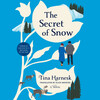
This lyrical runaway Swedish hit follows a reclusive, elderly couple who cross paths with a pair of twentysomething newcomers in a small mountain town, revealing an unexpected, shared history and the reclamation of a nearly extinct culture.
Meet Máriddja: eccentric, eighty-five years old, and facing a cancer diagnosis. She’s determined to keep the truth about her illness from her husband Biera, while also finding someone who can take care of him once she’s gone.
Meet Kaj: a new transplant to the village, recently engaged to Mimmi, and mourning the death of his mother. One day, when Kaj unexpectedly finds a box of Sámi—the indigenous people of Scandinavia—handicrafts belonging to his mother, he unlocks something he never anticipated, something that will change his life for years to come.
A “brilliant debut” (Aftonbladet Söndag, Sweden) full of humor and heartbreak, The Secret of Snow movingly grapples with grief, love, and the power of history.
Meet Máriddja: eccentric, eighty-five years old, and facing a cancer diagnosis. She’s determined to keep the truth about her illness from her husband Biera, while also finding someone who can take care of him once she’s gone.
Meet Kaj: a new transplant to the village, recently engaged to Mimmi, and mourning the death of his mother. One day, when Kaj unexpectedly finds a box of Sámi—the indigenous people of Scandinavia—handicrafts belonging to his mother, he unlocks something he never anticipated, something that will change his life for years to come.
A “brilliant debut” (Aftonbladet Söndag, Sweden) full of humor and heartbreak, The Secret of Snow movingly grapples with grief, love, and the power of history.
Excerpt
Prologue Prologue
Tell me the story about the herder who met a háldi, Uncle!”
The boy’s voice was bright and insistent, spilling across the floor like a handful of frostbitten lingonberries.
From where she was lying in the next room, Máriddja heard Biera slurp coffee through the lump of sugar between his teeth, followed by the sound of china on wood.
“Ah, you’ve heard that one plenty of times, but I’ll tell it again,” he replied with mock resignation.
His wife knew he loved to tell stories. He had inherited that from his parents, who had themselves inherited it from those who’d walked life’s path before them. It was their way of remembering, a way for a people without words on paper to leave a mark on an Earth they did their best not to change.
More than anything, Biera loved telling stories to the boy, who was perched on the cushion atop the storage bench in the kitchen, eyes eager yet weary, spinning the birch bark sugar bowl on the table between them. Máriddja tugged at the pillow beneath her cheek, adjusting her plait so that she was lying comfortably in the darkness. She closed her eyes.
She loved his stories, too, especially the ones that were drawn out of him like this: at a child’s request. Lying there, she could just picture the distant look in his eye as he searched for the words inside himself, trying to find the young reindeer herder. When Biera eventually managed to locate him, his voice belonged to someone else. It fumbled through the glow of the stove in the kitchen and made its way out into the darkness on the other side of the window. His voice was soon reverberating through the shadows in the room, summoning figures out of the gloom. Máriddja listened as Biera conjured the sound of thudding hooves, reindeer moving across the open landscape, wind tugging at their fur and caressing their muzzles. And there was the herder boy, constantly but silently communicating with his dog, practically running to meet Biera’s audience. His lasso swung as he moved across the rocks, his knife smacking against the side of his leg.
“There once was a young reindeer herder…” Biera began, his voice as rich and heavy as a church bell. Each word was clear, filled with the memories of his people. It was impossible to say whether he had been possessed by the force he had invoked, or whether it was Biera himself who possessed that force, the reindeer herder—all of them alive in that moment. Even the old clock on the wall seemed to be holding its breath as he read aloud from a book of stories that had never been written down.
“And that reindeer herder and his dog were out in the mountains one summer, alone with their herd. It was hard work, and they were both tired when they lay down to sleep in the lavvu he’d pitched. The fire had died right down, but hot embers were still smoldering between the rocks. Sleep had almost caught up with the young herder as he lay with his eyes closed and his head on his bag. That was when he heard a scraping sound against the outside of the tent. He opened his eyes, squinting in the half-light, and saw something push against the fabric. The reindeer herder sat up. He could hear bubbling laughter, soft voices—spoken in girls’ teasing manner—and as he listened, he saw three silhouettes emerge outside. They were squabbling, and he saw the outline of a body fall against the hide of the tent. A voice said: ‘You’ve been peeping from a distance all day. Go and get a proper look!’
“The reindeer herder realized that the voices outside must belong to háldi girls, for there wasn’t another soul for miles. Everyone knew that these secretive creatures were always close by, living side by side with humans, yet only visible to those with the gift. There were countless stories about the vitterfolk—that is what we Sámi call our mysterious cousins—and the young herder had heard every tale passed down through his family. He knew there were ways to make contact with them, to persuade them to stick around.
“The reindeer herder’s dog had woken, and was staring tensely in the direction of the three girls. A low growl rumbled from his throat, but he settled down when the herder stroked his raised fur. The young man reached for the knife on his belt, gripping the antler handle and pulling out the sharp steel blade without making a sound. The next time the háldi’s body fell against the side of his lavvu, he was ready. He pricked her gently in the buttock, making a small flower of blood bloom across the tent’s hide.
“Outside, silence fell, as though a thick fog had descended over the mountain. The wind held its breath, the brook stopped singing, and the soft crackling of the embers hushed, as though frozen.
“That was when the heavy hide was pushed to one side and a figure leaned in through the opening. Moving slowly, she sat down on the other side of the fire and looked up at him. The háldi’s eyes were as deep and dark as a mountain tarn, and she held the herder’s gaze until he felt like he could no longer breathe.
“She spent a long time studying him like that, as though she was searching for his very essence. Then she smiled. In a musical voice, she said: ‘You wanted to hold me. Now let’s see if you can keep hold of me.’
“She spoke in an old-fashioned dialect, but her voice was calm and steady. She went on, ‘I shall be your wife, and you shall receive my entire herd as a dowry; I will give you healthy sons and strong daughters, and we will be happy together. But you must promise me one thing.’
“The reindeer herder’s heart was racing. All he could do was nod, overcome with joy and anticipation.
“?‘You must never tell anyone how I became yours or what I am. You must never call me by any name that does not belong to your world.’
“The young herder cleared his throat and made a solemn, eager vow to do as she said. He then went to his family’s sacred rock, their siedi, as the girl had told him to, and he squinted out into the bright summer night. Not even the mosquitoes seemed to stir at that hour.
“That was when he heard the reindeer approaching, lots of them. With his lasso in his hand, he followed the movements of a powerful white bull, just as the girl had told him to do. He cast his rope. And when he managed to catch the strong, proud reindeer, the herd split in two, with half following him. Necks outstretched, the animals seemed to automatically flow in the direction of the dominant bull, moving toward the young man.
“And everything happened just as the háldi girl had foretold. They married, but throughout the ceremony they both moved counterclockwise and his siida’s shaman read the Lord’s Prayer backward. The powerful elder no doubt saw what the bride was, but he knew better than to say a word. In the years that followed, the couple welcomed one child after another, and they grew rich from her substantial herd. Life went well for them, and they had great fortune with their reindeer.”
A sudden silence filled the kitchen. Biera idly turned the coffee cup in his hands, gazing down into it with a seer’s eyes.
“But then what happened?” asked the boy.
“Ah, lad, you surely know. One evening, as the man ran his hands through his wife’s black hair, he whispered in her ear. ‘My darling wife, my love… my háldi…’ And his wife froze. As slowly as a cloud drifts over the sun, she turned away from him, gathered her children, and they strode silently through the flap in the lavvu without once looking back. To his horror, the man watched as his family—and the herd of reindeer grazing nearby—grew fainter and fainter, eventually becoming one with the first rays of sunlight.”
Máriddja shuddered where she lay beneath the covers, waiting for the spell to break, the way it always did when Biera finished his story. She heard the snap of the snus pot opening, his calloused fingers pinching a wad of the loose tobacco to push beneath his lip. The boy sat quietly for a moment, and then he asked:
“But why did she go? If she loved him, why couldn’t she and the children stay?”
Biera seemed to consider his answer carefully before he spoke. “Deep down, even though she loved him, I think she probably missed something else. I don’t think a person ever stops longing for the place where they belong. No matter who we become or where we end up, our hearts have a root.”
Tell me the story about the herder who met a háldi, Uncle!”
The boy’s voice was bright and insistent, spilling across the floor like a handful of frostbitten lingonberries.
From where she was lying in the next room, Máriddja heard Biera slurp coffee through the lump of sugar between his teeth, followed by the sound of china on wood.
“Ah, you’ve heard that one plenty of times, but I’ll tell it again,” he replied with mock resignation.
His wife knew he loved to tell stories. He had inherited that from his parents, who had themselves inherited it from those who’d walked life’s path before them. It was their way of remembering, a way for a people without words on paper to leave a mark on an Earth they did their best not to change.
More than anything, Biera loved telling stories to the boy, who was perched on the cushion atop the storage bench in the kitchen, eyes eager yet weary, spinning the birch bark sugar bowl on the table between them. Máriddja tugged at the pillow beneath her cheek, adjusting her plait so that she was lying comfortably in the darkness. She closed her eyes.
She loved his stories, too, especially the ones that were drawn out of him like this: at a child’s request. Lying there, she could just picture the distant look in his eye as he searched for the words inside himself, trying to find the young reindeer herder. When Biera eventually managed to locate him, his voice belonged to someone else. It fumbled through the glow of the stove in the kitchen and made its way out into the darkness on the other side of the window. His voice was soon reverberating through the shadows in the room, summoning figures out of the gloom. Máriddja listened as Biera conjured the sound of thudding hooves, reindeer moving across the open landscape, wind tugging at their fur and caressing their muzzles. And there was the herder boy, constantly but silently communicating with his dog, practically running to meet Biera’s audience. His lasso swung as he moved across the rocks, his knife smacking against the side of his leg.
“There once was a young reindeer herder…” Biera began, his voice as rich and heavy as a church bell. Each word was clear, filled with the memories of his people. It was impossible to say whether he had been possessed by the force he had invoked, or whether it was Biera himself who possessed that force, the reindeer herder—all of them alive in that moment. Even the old clock on the wall seemed to be holding its breath as he read aloud from a book of stories that had never been written down.
“And that reindeer herder and his dog were out in the mountains one summer, alone with their herd. It was hard work, and they were both tired when they lay down to sleep in the lavvu he’d pitched. The fire had died right down, but hot embers were still smoldering between the rocks. Sleep had almost caught up with the young herder as he lay with his eyes closed and his head on his bag. That was when he heard a scraping sound against the outside of the tent. He opened his eyes, squinting in the half-light, and saw something push against the fabric. The reindeer herder sat up. He could hear bubbling laughter, soft voices—spoken in girls’ teasing manner—and as he listened, he saw three silhouettes emerge outside. They were squabbling, and he saw the outline of a body fall against the hide of the tent. A voice said: ‘You’ve been peeping from a distance all day. Go and get a proper look!’
“The reindeer herder realized that the voices outside must belong to háldi girls, for there wasn’t another soul for miles. Everyone knew that these secretive creatures were always close by, living side by side with humans, yet only visible to those with the gift. There were countless stories about the vitterfolk—that is what we Sámi call our mysterious cousins—and the young herder had heard every tale passed down through his family. He knew there were ways to make contact with them, to persuade them to stick around.
“The reindeer herder’s dog had woken, and was staring tensely in the direction of the three girls. A low growl rumbled from his throat, but he settled down when the herder stroked his raised fur. The young man reached for the knife on his belt, gripping the antler handle and pulling out the sharp steel blade without making a sound. The next time the háldi’s body fell against the side of his lavvu, he was ready. He pricked her gently in the buttock, making a small flower of blood bloom across the tent’s hide.
“Outside, silence fell, as though a thick fog had descended over the mountain. The wind held its breath, the brook stopped singing, and the soft crackling of the embers hushed, as though frozen.
“That was when the heavy hide was pushed to one side and a figure leaned in through the opening. Moving slowly, she sat down on the other side of the fire and looked up at him. The háldi’s eyes were as deep and dark as a mountain tarn, and she held the herder’s gaze until he felt like he could no longer breathe.
“She spent a long time studying him like that, as though she was searching for his very essence. Then she smiled. In a musical voice, she said: ‘You wanted to hold me. Now let’s see if you can keep hold of me.’
“She spoke in an old-fashioned dialect, but her voice was calm and steady. She went on, ‘I shall be your wife, and you shall receive my entire herd as a dowry; I will give you healthy sons and strong daughters, and we will be happy together. But you must promise me one thing.’
“The reindeer herder’s heart was racing. All he could do was nod, overcome with joy and anticipation.
“?‘You must never tell anyone how I became yours or what I am. You must never call me by any name that does not belong to your world.’
“The young herder cleared his throat and made a solemn, eager vow to do as she said. He then went to his family’s sacred rock, their siedi, as the girl had told him to, and he squinted out into the bright summer night. Not even the mosquitoes seemed to stir at that hour.
“That was when he heard the reindeer approaching, lots of them. With his lasso in his hand, he followed the movements of a powerful white bull, just as the girl had told him to do. He cast his rope. And when he managed to catch the strong, proud reindeer, the herd split in two, with half following him. Necks outstretched, the animals seemed to automatically flow in the direction of the dominant bull, moving toward the young man.
“And everything happened just as the háldi girl had foretold. They married, but throughout the ceremony they both moved counterclockwise and his siida’s shaman read the Lord’s Prayer backward. The powerful elder no doubt saw what the bride was, but he knew better than to say a word. In the years that followed, the couple welcomed one child after another, and they grew rich from her substantial herd. Life went well for them, and they had great fortune with their reindeer.”
A sudden silence filled the kitchen. Biera idly turned the coffee cup in his hands, gazing down into it with a seer’s eyes.
“But then what happened?” asked the boy.
“Ah, lad, you surely know. One evening, as the man ran his hands through his wife’s black hair, he whispered in her ear. ‘My darling wife, my love… my háldi…’ And his wife froze. As slowly as a cloud drifts over the sun, she turned away from him, gathered her children, and they strode silently through the flap in the lavvu without once looking back. To his horror, the man watched as his family—and the herd of reindeer grazing nearby—grew fainter and fainter, eventually becoming one with the first rays of sunlight.”
Máriddja shuddered where she lay beneath the covers, waiting for the spell to break, the way it always did when Biera finished his story. She heard the snap of the snus pot opening, his calloused fingers pinching a wad of the loose tobacco to push beneath his lip. The boy sat quietly for a moment, and then he asked:
“But why did she go? If she loved him, why couldn’t she and the children stay?”
Biera seemed to consider his answer carefully before he spoke. “Deep down, even though she loved him, I think she probably missed something else. I don’t think a person ever stops longing for the place where they belong. No matter who we become or where we end up, our hearts have a root.”
About The Author
Sandra Hallnor
Tina Harnesk is a writer of Sámi descent born in northern Sweden. She works as a library assistant and lives on a mountain outside Arvidsjaur, Sweden, with her husband and children. The Secret of Snow is her debut novel.
Product Details
- Publisher: Atria Books (February 3, 2026)
- Length: 304 pages
- ISBN13: 9781668028230
Browse Related Books
Raves and Reviews
Praise from Sweden for The Secret of Snow
“This is a story about culture and identity and about fighting to keep your memories while being robbed of your history, but it's written with a warmth and humor that never leaves the reader alone on the journey. When Swedes describe winters in the north we often talk about the incredible contrast between the compact dark from above and the snow reflecting all light from beneath. That's how her writing feels.”
—Fredrik Backman, #1 New York Times bestselling author of My Friends
“Serious yet sprightly. . . . At times darkly comic, at times sparkling with magical realism, Harnesk's celebration of the innate drive to protect individual families and entire cultures will satisfy readers' souls.”
—Booklist
“A must-read. Balancing humor and darkness with remarkable grace, this story and its characters found their way into my heart. To everyone who hasn’t yet read it—congratulations, you have a wonderful reading experience ahead of you!”
—Lisa Ridzén, author of When the Cranes Fly South
“[E]motionally satisfying. . . . Fans of Fredrik Backman will take to this touching family drama.”
—Publishers Weekly (starred review)
“Well-written, hysterically funny – and thought-provoking.”
—Dagbladet (Norway)
“What a gem of a debut novel! … Told with verve and filled with anecdotes, myths, humor, and gravity.”
—Finnmarken (Norway)
“An incredibly moving and well-written family saga with an extraordinary old woman at its heart.”
—Litteratursiden (Denmark)
“A truly wonderful novel that evokes both tears and laughter.”
—DBC (Denmark)
“An enchanting mix of warmth, humor, and dazzling storytelling.”
—Maailman Kirjat (Finland)
“I have been reading, laughing, and crying. This is a debut novel, but that word almost sounds cliché. The author is part of the story, the dialect, and the Sámi memories. . . I am so glad that this story has been written.”
—Dast Magazine
“Tina Harnesk plays with language and lets the details speak. . . Instantly charming, melancholic, and poetic. . . bringing forth images of life rooted in the Sámi spiritual nature. It is often wild and hilarious. . . but the absurd is interlaced with realistic portrayals of defiant bodies, minds, and hearts. A brilliant debut.”
—Aftonbladet Söndag
“How is it possible that this is a debut novel? The book is believable and intricate with a rather large and colorful cast of characters. . . An earnest, unique, warm, and personal story that captivates, enthralls, and leaves a deep impression.”
—P4 Västernorrland
“Tina Harnesk makes her debut with a multifaceted novel from northern Sweden, with distinct roots in oral storytelling. . . She sprinkles her text with comedic similes and effective punchlines, but underneath the burlesque surface lies a throbbing pain. The Secret of Snow is a beautiful novel about two generations who are steeped in the northern Sámi experience.”
—Vi Läser
“Tina Harnesk lives on a mountain outside of Arvidsjaur and has joined the authors who are writing about Sami life and culture. And how she does it! Her novel is burlesque and daring, populated by colorful, unforgettable characters. But underneath the cheerful exterior rests a grief over the traditional reindeer herding life that was lost.”
—Ingalill Mosander, Aftonbladet
“This is a magnificent story and reading experience. Told with love and a language so vividly beautiful it almost makes the eyes of an old journalist and editor tear up. The phrasing is elegant and accurate, the language so colorful that you – even without any Sami connection – are unfazed by the Sami words and expressions and can truly see these people and places in your mind’s eye while reading.”
—Norrbottens-Kuriren
Resources and Downloads
High Resolution Images
-
Book Cover Image (jpg): The Secret of Snow
Hardcover 9781668028230
-
Author Photo (jpg): Tina Harnesk Sandra Hallnor(0.1 MB)
Any use of an author photo must include its respective photo credit