
Plus, receive recommendations and exclusive offers on all of your favorite books and authors from Simon & Schuster.
Table of Contents
About The Book
“Heartfelt and triumphant.” —Rajani LaRocca, Newbery Honor–winning Author of Red, White, and Whole
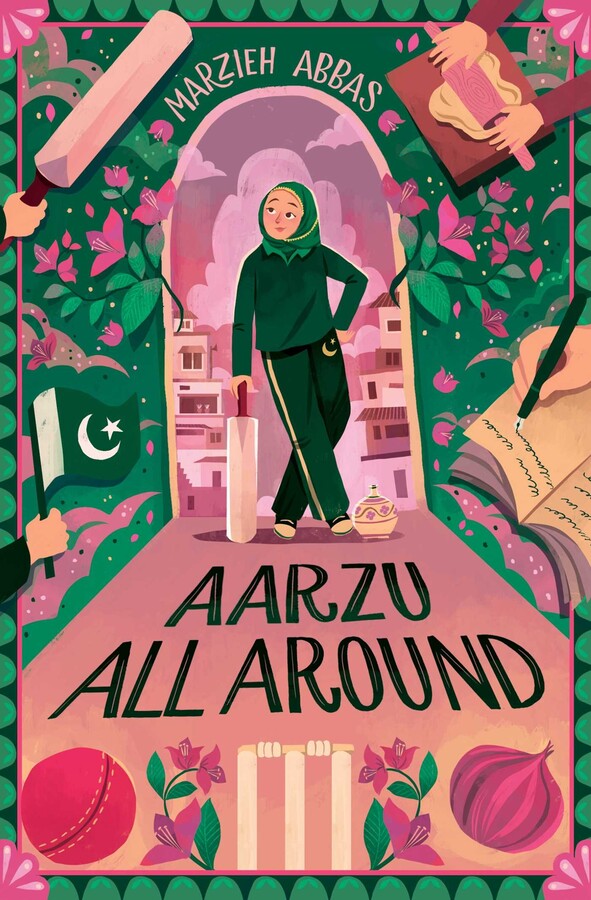
A cricket-loving Pakistani girl stifled by patriarchal expectations disguises herself as a boy to get a job to pay her sister’s medical bills in this “lyrical action-packed debut full of determination and grit” (Reem Faruqi, award-winning author of Golden Girl).
Living with her aunt and patriarchal uncle in Karachi, Pakistan, recently orphaned twelve-year-old Aarzu detests the way she and her younger sister get treated like extras and excluded from all the fun stuff. Aarzu dreams of playing cricket, just like her male cousins and the neighborhood boys in the streets, but her uncle will hear nothing of it. According to him, girls ought to master the art of making round rotis, not play sports.
When her sister requires urgent medical treatment but finances are tight, Aarzu decides to earn money herself. She hears of a part-time job at a bungalow near her school—but it’s only open to boys. Aarzu has no choice but to disguise herself as a turban-wearing boy to get the gig.
Now, Aarzu must find a way to balance school, work, chores, and secret cricket practices—all without burning out or getting caught by her uncle—or else her dreams of making the girls cricket team and her quest to save her sister will crumble around her.
A cricket-loving Pakistani girl stifled by patriarchal expectations disguises herself as a boy to get a job to pay her sister’s medical bills in this “lyrical action-packed debut full of determination and grit” (Reem Faruqi, award-winning author of Golden Girl).
Living with her aunt and patriarchal uncle in Karachi, Pakistan, recently orphaned twelve-year-old Aarzu detests the way she and her younger sister get treated like extras and excluded from all the fun stuff. Aarzu dreams of playing cricket, just like her male cousins and the neighborhood boys in the streets, but her uncle will hear nothing of it. According to him, girls ought to master the art of making round rotis, not play sports.
When her sister requires urgent medical treatment but finances are tight, Aarzu decides to earn money herself. She hears of a part-time job at a bungalow near her school—but it’s only open to boys. Aarzu has no choice but to disguise herself as a turban-wearing boy to get the gig.
Now, Aarzu must find a way to balance school, work, chores, and secret cricket practices—all without burning out or getting caught by her uncle—or else her dreams of making the girls cricket team and her quest to save her sister will crumble around her.
Reading Group Guide
Get a FREE ebook by joining our mailing list today! Plus, receive recommendations for your next Book Club read.
By clicking 'Sign me up', I consent to Simon & Schuster sending me email offers and updates, including offers for a free eBook. I understand I can unsubscribe at any time. Any offer for an eBook may be subject to exclusions, terms, conditions, and registration with our fulfillment partners. We collect and use your information in accordance with our Privacy Policy. Free ebook offer available to NEW CA subscribers only. Offer redeemable at Simon & Schuster's ebook fulfillment partner. Must redeem within 90 days. See the full terms and conditions.
Reading Group Guide
Aarzu All Around
By Marzieh Abbas
About the Book
Twelve-year-old Aarzu is passionate about playing cricket in Pakistan. After losing their parents in an earthquake, Aarzu and her younger sister live under the strict watch of a controlling uncle who believes girls belong on the sidelines. Longing to play cricket like boys, and desperate to help her ailing sister, Aarzu secretly takes on a job meant exclusively for boys. As she juggles school, chores, and secret cricket practice, Aarzu must avoid being discovered, or she’ll lose everything: her sister’s health, her shot at a girls’ cricket team, and her dream of a life beyond limits. At the same time, she struggles to mend her broken friendship with her once supportive best friend, who is now giving her the silent treatment.
Discussion Questions
1. In what ways is Aarzu’s life different from the lives of her male cousins? How does it make her feel about herself? How might your life be different if you were a different sex? How could this affect your experiences at school, at home, or within your family?
2. Aarzu’s Khaloo, her uncle, has strong opinions about what girls should and shouldn’t do. How do you feel about that? Is it fair to have different rules based on gender?
3. Are you familiar with any women in history who challenged gender roles? Who were they, and what obstacles did they face while pursuing their goals?
4. Aarzu must choose between spending money on her sister’s treatment or buying cricket gear for herself. Why do you think it’s important to help others, even when we have to give up something we care about? Besides money, what are some other ways we can support or care for people in need?
5. Do you think girls and women still face unfair treatment today, like Aarzu does in the novel? Does this happen only in some countries or all around the world, including the United States? Provide examples.
6. What sacrifices does Aarzu make to help her sister? What helps her go from feeling afraid and sad to becoming determined to earn money for the treatment?
7. Aarzu’s mom used to say when people “stay close / for long enough, / they rub off on each other.” (p. 78) Aarzu finds herself agreeing with her mother. Why is it important to choose friends wisely?
8. Aarzu and Nazia were best friends, but they grew apart. What could have happened if Nazia had told Aarzu how she felt? How could they have saved their friendship with better communication?
9. In what ways was Aarzu also unfair to Nazia? How can you maintain healthy boundaries and talk to friends if you feel ignored or left out? How would you try to resolve a conflict?
10. At the end of the book, Aarzu apologizes to her friend. Why do you think saying sorry matters? Why can it be hard to apologize when you know you made a mistake?
11. Playing cricket helps Aarzu feel calm and deal with tough things in her life. Describe something you do, like a hobby or activity, that helps you feel more relaxed or peaceful.
12. Zoya’s family and Aarzu’s family keep track of different things. Have you ever thought about some of these things they pay attention to? If your family struggled financially, what would you want others to understand about your life?
13. Aarzu wears a hijab (head covering) as part of her identity. How might hijabs help empower the women who wear them?
14. When Aarzu feels nervous, she scratches her leg. What are some habits or things you do when you’re feeling stressed or anxious? What are some ways we can help one another feel better during tough or stressful times?
15. Why does Aarzu journal? Why might it be helpful to write your thoughts in a journal? What would you write about?
16. Aarzu feels stronger and more at peace when she prays and learns about inspiring Muslim women. What things do you do—such as praying, reading, drawing, or talking to someone—that help you feel calm or confident when you’re feeling stressed or worried?
Extension Activities
1. Poetry: Write a poem using the theme “If I Were a Girl/Boy” using one of the poetry styles from the book. Reflect on how gender might shape someone’s experiences.
2. Letter to a Trailblazer: Choose a woman from history who challenged gender barriers, and write a heartfelt letter thanking her for her courage and achievements. Reflect on how her efforts helped shape the world today and inspired you personally.
3. Journaling Party: Plan a fun and creative journaling party where students personalize and decorate their notebooks with stickers, markers, and washi tape. After decorating, guide them to write personal goals that support both academic growth (book smart) and everyday life skills (street smart). You can also include prompts that encourage emotional expression and self-awareness, helping students reflect on their feelings and build confidence.
4. Identity Collage: Aarzu describes wearing a hijab as an important part of her identity. Create a collage that represents your own identity, including things like family, culture, hobbies, traditions, clothing, and more. Then present your collage to your class or group, explaining why you chose those images.
Guide prepared by Noureen Qadir-Jafar, Youth Services Librarian at the Levittown Public Library in New York.
This guide has been provided by Simon & Schuster for classroom, library, and reading group use. It may be reproduced in its entirety or excerpted for these purposes.
Aarzu All Around
By Marzieh Abbas
About the Book
Twelve-year-old Aarzu is passionate about playing cricket in Pakistan. After losing their parents in an earthquake, Aarzu and her younger sister live under the strict watch of a controlling uncle who believes girls belong on the sidelines. Longing to play cricket like boys, and desperate to help her ailing sister, Aarzu secretly takes on a job meant exclusively for boys. As she juggles school, chores, and secret cricket practice, Aarzu must avoid being discovered, or she’ll lose everything: her sister’s health, her shot at a girls’ cricket team, and her dream of a life beyond limits. At the same time, she struggles to mend her broken friendship with her once supportive best friend, who is now giving her the silent treatment.
Discussion Questions
1. In what ways is Aarzu’s life different from the lives of her male cousins? How does it make her feel about herself? How might your life be different if you were a different sex? How could this affect your experiences at school, at home, or within your family?
2. Aarzu’s Khaloo, her uncle, has strong opinions about what girls should and shouldn’t do. How do you feel about that? Is it fair to have different rules based on gender?
3. Are you familiar with any women in history who challenged gender roles? Who were they, and what obstacles did they face while pursuing their goals?
4. Aarzu must choose between spending money on her sister’s treatment or buying cricket gear for herself. Why do you think it’s important to help others, even when we have to give up something we care about? Besides money, what are some other ways we can support or care for people in need?
5. Do you think girls and women still face unfair treatment today, like Aarzu does in the novel? Does this happen only in some countries or all around the world, including the United States? Provide examples.
6. What sacrifices does Aarzu make to help her sister? What helps her go from feeling afraid and sad to becoming determined to earn money for the treatment?
7. Aarzu’s mom used to say when people “stay close / for long enough, / they rub off on each other.” (p. 78) Aarzu finds herself agreeing with her mother. Why is it important to choose friends wisely?
8. Aarzu and Nazia were best friends, but they grew apart. What could have happened if Nazia had told Aarzu how she felt? How could they have saved their friendship with better communication?
9. In what ways was Aarzu also unfair to Nazia? How can you maintain healthy boundaries and talk to friends if you feel ignored or left out? How would you try to resolve a conflict?
10. At the end of the book, Aarzu apologizes to her friend. Why do you think saying sorry matters? Why can it be hard to apologize when you know you made a mistake?
11. Playing cricket helps Aarzu feel calm and deal with tough things in her life. Describe something you do, like a hobby or activity, that helps you feel more relaxed or peaceful.
12. Zoya’s family and Aarzu’s family keep track of different things. Have you ever thought about some of these things they pay attention to? If your family struggled financially, what would you want others to understand about your life?
13. Aarzu wears a hijab (head covering) as part of her identity. How might hijabs help empower the women who wear them?
14. When Aarzu feels nervous, she scratches her leg. What are some habits or things you do when you’re feeling stressed or anxious? What are some ways we can help one another feel better during tough or stressful times?
15. Why does Aarzu journal? Why might it be helpful to write your thoughts in a journal? What would you write about?
16. Aarzu feels stronger and more at peace when she prays and learns about inspiring Muslim women. What things do you do—such as praying, reading, drawing, or talking to someone—that help you feel calm or confident when you’re feeling stressed or worried?
Extension Activities
1. Poetry: Write a poem using the theme “If I Were a Girl/Boy” using one of the poetry styles from the book. Reflect on how gender might shape someone’s experiences.
2. Letter to a Trailblazer: Choose a woman from history who challenged gender barriers, and write a heartfelt letter thanking her for her courage and achievements. Reflect on how her efforts helped shape the world today and inspired you personally.
3. Journaling Party: Plan a fun and creative journaling party where students personalize and decorate their notebooks with stickers, markers, and washi tape. After decorating, guide them to write personal goals that support both academic growth (book smart) and everyday life skills (street smart). You can also include prompts that encourage emotional expression and self-awareness, helping students reflect on their feelings and build confidence.
4. Identity Collage: Aarzu describes wearing a hijab as an important part of her identity. Create a collage that represents your own identity, including things like family, culture, hobbies, traditions, clothing, and more. Then present your collage to your class or group, explaining why you chose those images.
Guide prepared by Noureen Qadir-Jafar, Youth Services Librarian at the Levittown Public Library in New York.
This guide has been provided by Simon & Schuster for classroom, library, and reading group use. It may be reproduced in its entirety or excerpted for these purposes.
About The Author
TK
Marzieh Abbas is a baker turned award-winning author. She loves adding magic to her creations, from a seven-layered rainbow cake to the books she writes for children all over the world. Her work is inspired by her Pakistani culture and Muslim heritage. Marzieh is a member of Julie Hedlund’s 12x12 Picture Book Challenge and a graduate of the Lyrical Language Lab and Children’s Book Academy. She is the author of the popular chapter book series Nadia and Nadir and the middle grade novel Aarzu All Around. A Dupatta Is… is her debut picture book and she has several upcoming board and picture books. She occasionally writes under the name Marzieh A. Ali. Marzieh enjoys learning new skills, jumping rope, sipping chai, and observing nature. She dreams of owning a talking parrot someday. But until then, she lives in Pakistan with her husband and children who inspire her daily. You can find her on the web at MarziehAbbas.com.
Product Details
- Publisher: Salaam Reads/Simon & Schuster Books for Young Readers (July 29, 2025)
- Length: 384 pages
- ISBN13: 9781665970433
- Ages: 8 - 12
Browse Related Books
Raves and Reviews
"After Aarzu's beloved parents died in an earthquake, her life of cricket playing and relative
freedom were exchanged for a Karachi slum with her far more traditional relatives. Aarzu
desperately wants to try out for the junior girls’ league, but her uncle feels strongly that Muslim
girls belong indoors as homemakers and caretakers, so she’ll have to sneak in the sports. To
make things worse, her little sister’s health is deteriorating, so Aarzu decides to pose as a boy
and work at a nearby mansion to drum up treatment funds. Can she find a way to keep her
secrets while staying true to her beliefs, her family, and her own heart? The stirring story is told
through an incredible variety of poetic forms (readers will find the entire list of those constructions
in the back matter). Urgent, elegant language, mouthwatering descriptions, and the bustling
Pakistani setting make for an enthralling read, and watching Aarzu embrace her religion while
chafing against societal expectations is a thought-provoking process. A rousing read that affirms
the power of persistence and love."
– Booklist, July 2025
Following her cricket player baba and educator mama’s deaths in an earthquake, 12-year-old Aarzu and her younger sister Sukoon move in with their aunt, uncle, and cousins in Karachi. Aarzu longs to follow in Baba’s footsteps, but while her uncle allows his sons to play cricket, the sisters must stay inside and assist their aunt with housework. When Sukoon—who lives with kidney disease—faces health complications, Aarzu determines to earn money for a transplant. She first heeds a friend’s advice that she sell roti, which Aarzu gamely practices making despite her poor culinary skills. Then a chance encounter sparks an idea, and Aarzu cuts her hair, disguises herself as a boy, and gains employment as a servant for a wealthy family, which, serendipitously, affords her an opportunity to play cricket. While earning money, cultivating new skills, and finally pursuing her passion, Aarzu learns hard truths about friendship. In her debut verse novel, Abbas (Excited for Eid) employs numerous poetry forms (acrostic, blackout, ghazal) to deliver an accessible tale about resilience as well as the comfort that earnest connection and following one’s dreams can bring. Opens with information about cricket; ample back matter, including a recipe and author’s note, conclude. Ages 8–12. (July)
– Publishers Weekly, 5/12/2025
Heartfelt and triumphant. Like a sharply bowled cricket ball, Aarzu All Around spins the story of an orphaned Pakistani girl’s efforts to overcome societal expectations and save her sister.
– Rajani LaRocca, Newbery Honor-Winning Author of Red, White and Whole
As skillful as an all-rounder, Abbas delivers a lyrical action-packed debut full of determination and grit. Underneath beautiful sensory details lies an empowering message: Never give up or take no for an answer. As a cricket fan, I’ve been searching for a feel-good story like Aarzu’s all my life!
– Reem Faruqi, Award-winning author of Unsettled, Golden Girl, Call Me Adnan, and upcoming Zarina Divided,
Awards and Honors
- ALA Rise: A Feminist Book Project List Selectio
Resources and Downloads
High Resolution Images
-
Book Cover Image (jpg): Aarzu All Around
eBook 9781665970433
-
Author Photo (jpg): Marzieh Abbas TK(0.1 MB)
Any use of an author photo must include its respective photo credit