Plus, receive recommendations and exclusive offers on all of your favorite books and authors from Simon & Schuster.
Published by UNM Press
Distributed by Simon & Schuster
Table of Contents
About The Book
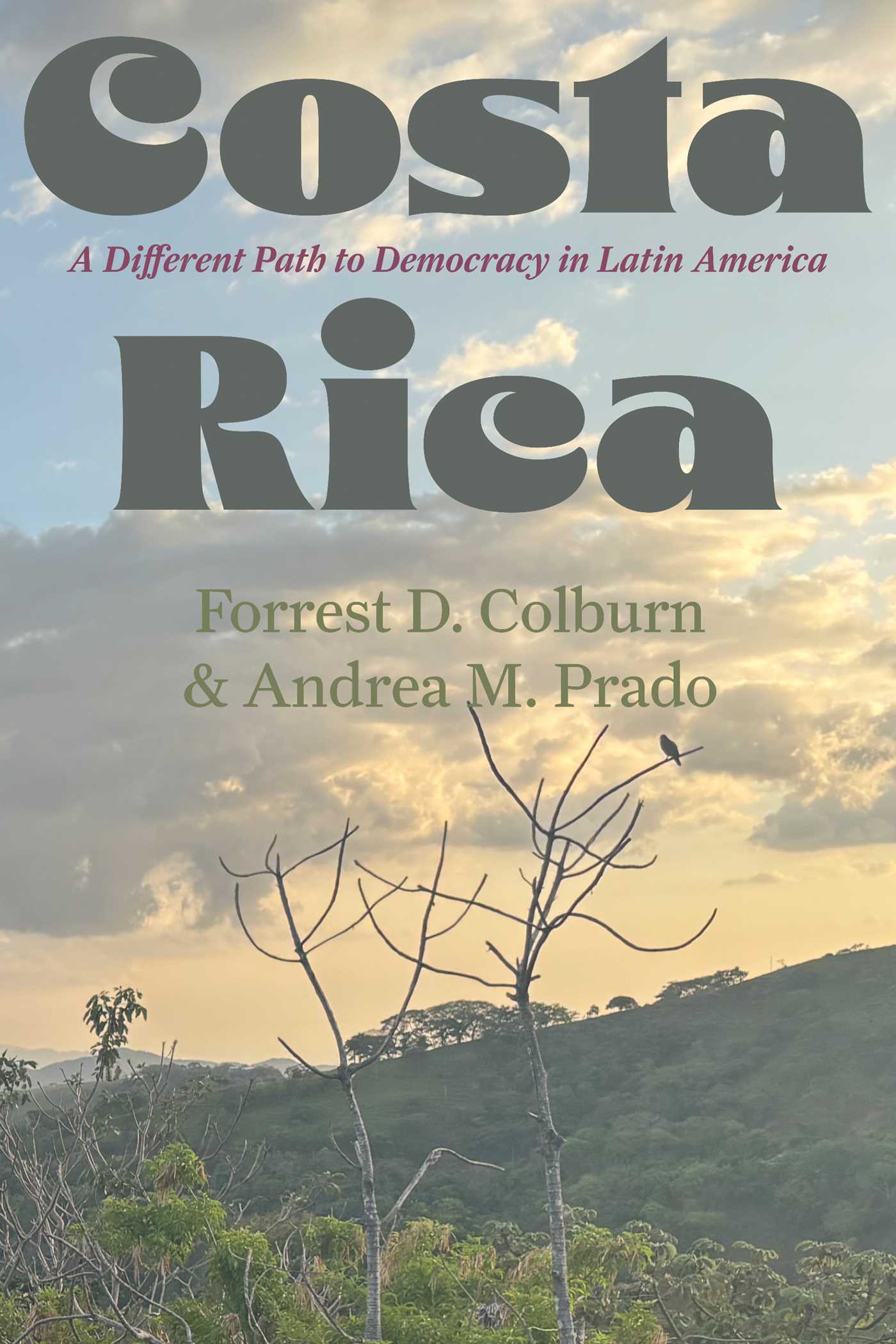
In a corner of the world where most nation-states are deeply problematic, Costa Rica’s success is a puzzle. This scholarly yet accessible book explores which political decisions led to a very different outcome for the little country that could.
Since a brief civil conflict in 1948, the Central American country of Costa Rica has built a stable democracy, with regular, scheduled, and fair elections and respect for human rights. The country has built public and private institutions that have led to notable achievements in economic growth, education, health care, and environmental stewardship. For example, Costa Rica has the highest life expectancy in the Americas, even though it only has a per capita income of one sixth that of the United States. Costa Rica also has one of the highest literacy rates in Latin America (exceeded only by Uruguay). Progress has come from the unexpected benefits of being a backwater of Spanish colonialism, which contributed to a more egalitarian society and in turn spawned political leaders committed to broad-based economic development. Costa Rica has participated actively in the international economy and found imaginative ways to better social welfare.
Colburn and Prado explore Costa Rica’s remarkable success as a country and its creation, since the mid-twentieth century, of an inclusive society and a stable democracy. Enriched with illuminating quotations from a wide range of Costa Ricans, this important new contribution to Latin American studies elucidates how the country’s sense of national identity and political institutions led to the crafting of sensible public policies.
Since a brief civil conflict in 1948, the Central American country of Costa Rica has built a stable democracy, with regular, scheduled, and fair elections and respect for human rights. The country has built public and private institutions that have led to notable achievements in economic growth, education, health care, and environmental stewardship. For example, Costa Rica has the highest life expectancy in the Americas, even though it only has a per capita income of one sixth that of the United States. Costa Rica also has one of the highest literacy rates in Latin America (exceeded only by Uruguay). Progress has come from the unexpected benefits of being a backwater of Spanish colonialism, which contributed to a more egalitarian society and in turn spawned political leaders committed to broad-based economic development. Costa Rica has participated actively in the international economy and found imaginative ways to better social welfare.
Colburn and Prado explore Costa Rica’s remarkable success as a country and its creation, since the mid-twentieth century, of an inclusive society and a stable democracy. Enriched with illuminating quotations from a wide range of Costa Ricans, this important new contribution to Latin American studies elucidates how the country’s sense of national identity and political institutions led to the crafting of sensible public policies.
Product Details
- Publisher: UNM Press (March 23, 2027)
- Length: 152 pages
- ISBN13: 9780826370914
Browse Related Books
Resources and Downloads
High Resolution Images
-
Book Cover Image (jpg): Costa Rica
Trade Paperback 9780826370914