Plus, receive recommendations and exclusive offers on all of your favorite books and authors from Simon & Schuster.
Published by MUNCH
Distributed by Simon & Schuster
Table of Contents
About The Book
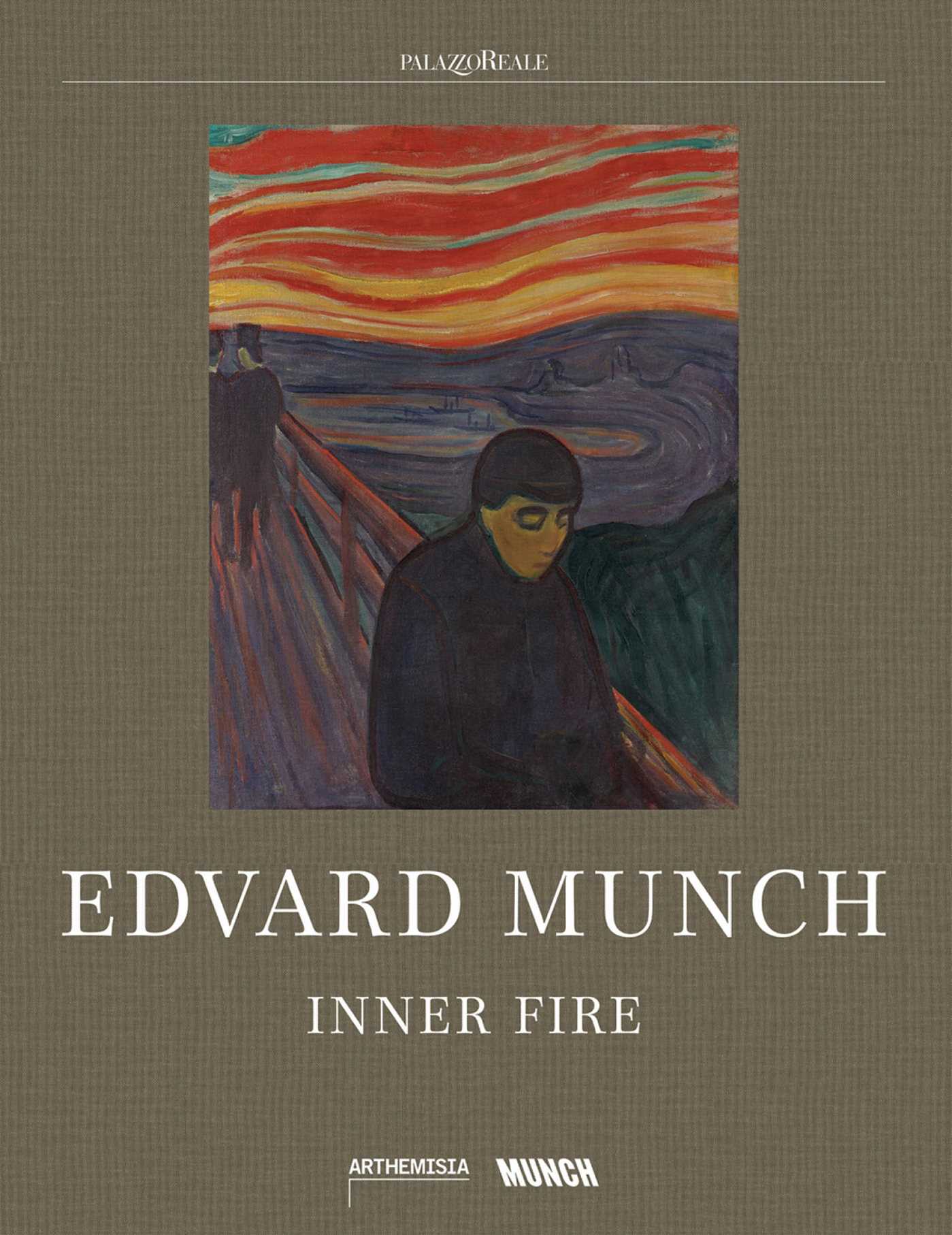
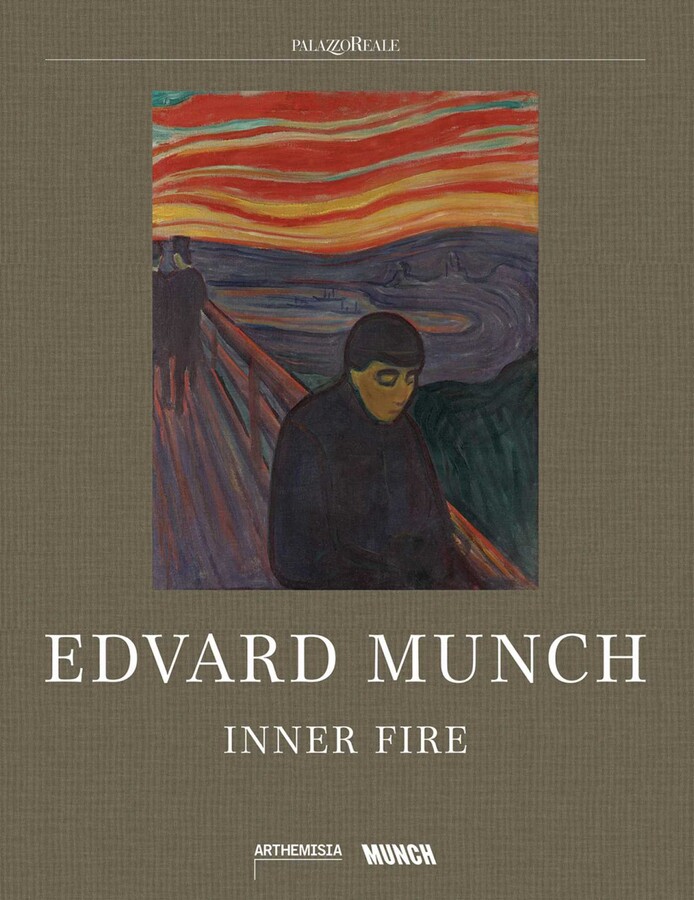
Munch's ability to capture and convey sensation and feelings through the materials of art, places the Norwegian artist at the forefront of European art at the turn of the last century. This catalogue examines these connections, demonstrating his continuing exploration of the conditions of sight.
The jarring emptiness following the loss of a loved one, the expansive out-of-body sensation of sensual touch, the lassitude of melancholy and the ecstatic receptivity to sunshine. His ability to capture and convey sensation and feelings through the materials of art, places the Norwegian artist Edvard Munch (1863–1944) at the forefront of European art at the turn of the last century.
Interestingly, Munch’s artistic exploration of perception, and his persistent questioning of the objectivity of vision, intersect with ideas that matured within the fields of psychology and experimental optics at the time.
Edvard Munch: Inner Fire examines these connections, demonstrating his continuing exploration of the conditions of sight. The essays in this catalogue examine this phenomenon while also probing a lesser-known aspect of the artist’s work: Munch’s relationship to Italy.
The first essay, Lasse Jacobsen’s ‘Edvard Munch. Italian Impressions’, explores this connection explicitly, as part of a general overview of Munch’s life and work.
The second text, ‘Reflections in Munch’s Inner Eye’ by Patricia G. Berman, charts the art historical context of Munch’s exploration of experience’s subjective dimension. Emil Leth Meilvang’s ‘Seeing without Sight. Munch’s Vision’, on its part, explores the relationship between Munch’s artistic development and simultaneous developments within the perceptual sciences. Edvard Munch. Inner Fire includes essayistic pieces by authors Melania G. Mazzucco and Hanne Ørstavik: ‘I am a Romantic’ and ‘Who Am I’. Each demonstrates Munch’s continuing ability to light the inner fires of other artists.
The jarring emptiness following the loss of a loved one, the expansive out-of-body sensation of sensual touch, the lassitude of melancholy and the ecstatic receptivity to sunshine. His ability to capture and convey sensation and feelings through the materials of art, places the Norwegian artist Edvard Munch (1863–1944) at the forefront of European art at the turn of the last century.
Interestingly, Munch’s artistic exploration of perception, and his persistent questioning of the objectivity of vision, intersect with ideas that matured within the fields of psychology and experimental optics at the time.
Edvard Munch: Inner Fire examines these connections, demonstrating his continuing exploration of the conditions of sight. The essays in this catalogue examine this phenomenon while also probing a lesser-known aspect of the artist’s work: Munch’s relationship to Italy.
The first essay, Lasse Jacobsen’s ‘Edvard Munch. Italian Impressions’, explores this connection explicitly, as part of a general overview of Munch’s life and work.
The second text, ‘Reflections in Munch’s Inner Eye’ by Patricia G. Berman, charts the art historical context of Munch’s exploration of experience’s subjective dimension. Emil Leth Meilvang’s ‘Seeing without Sight. Munch’s Vision’, on its part, explores the relationship between Munch’s artistic development and simultaneous developments within the perceptual sciences. Edvard Munch. Inner Fire includes essayistic pieces by authors Melania G. Mazzucco and Hanne Ørstavik: ‘I am a Romantic’ and ‘Who Am I’. Each demonstrates Munch’s continuing ability to light the inner fires of other artists.
Product Details
- Publisher: MUNCH (September 11, 2024)
- Length: 240 pages
- ISBN13: 9788284620411
Browse Related Books
Resources and Downloads
High Resolution Images
-
Book Cover Image (jpg): Edvard Munch
Hardcover 9788284620411