Plus, receive recommendations and exclusive offers on all of your favorite books and authors from Simon & Schuster.
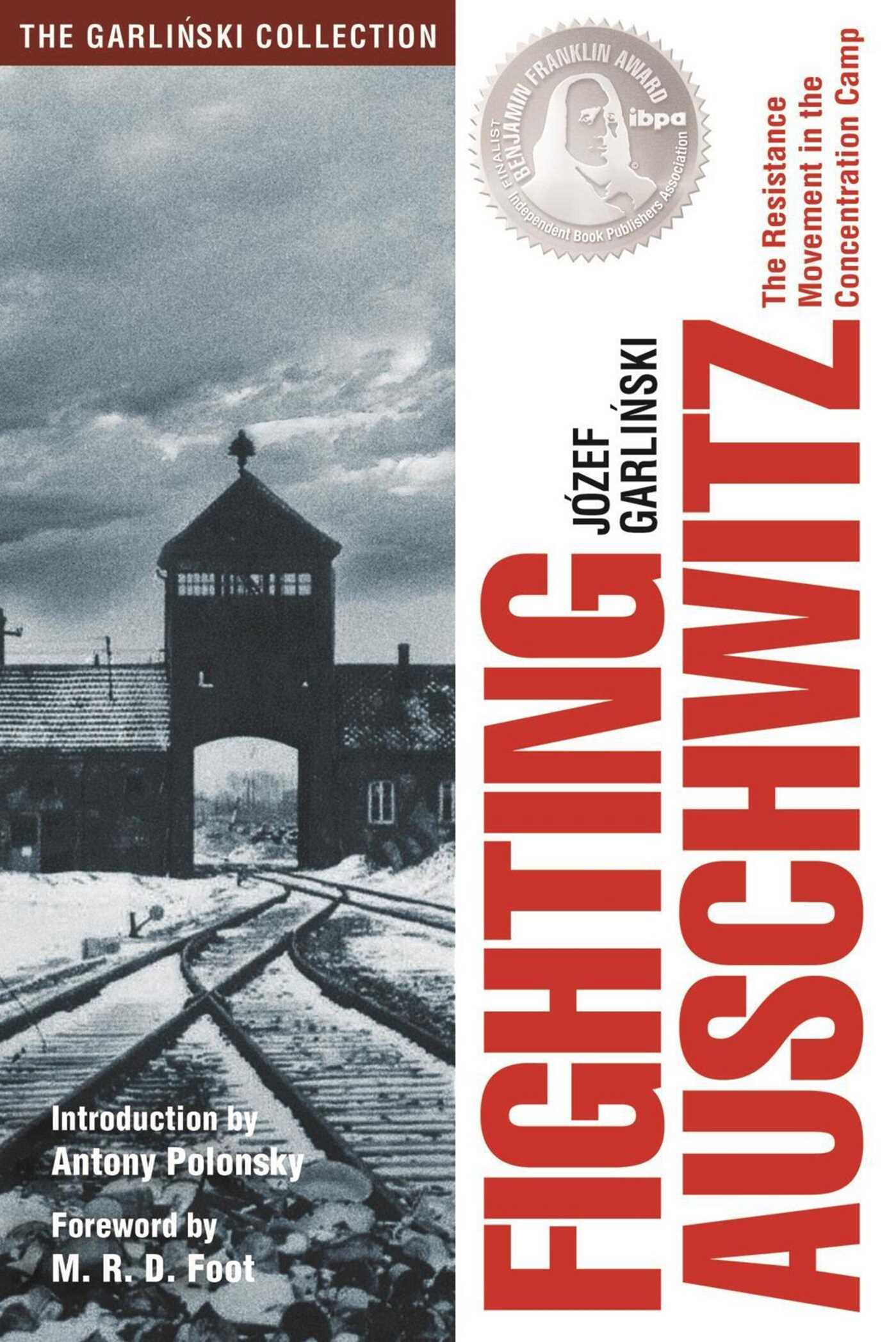
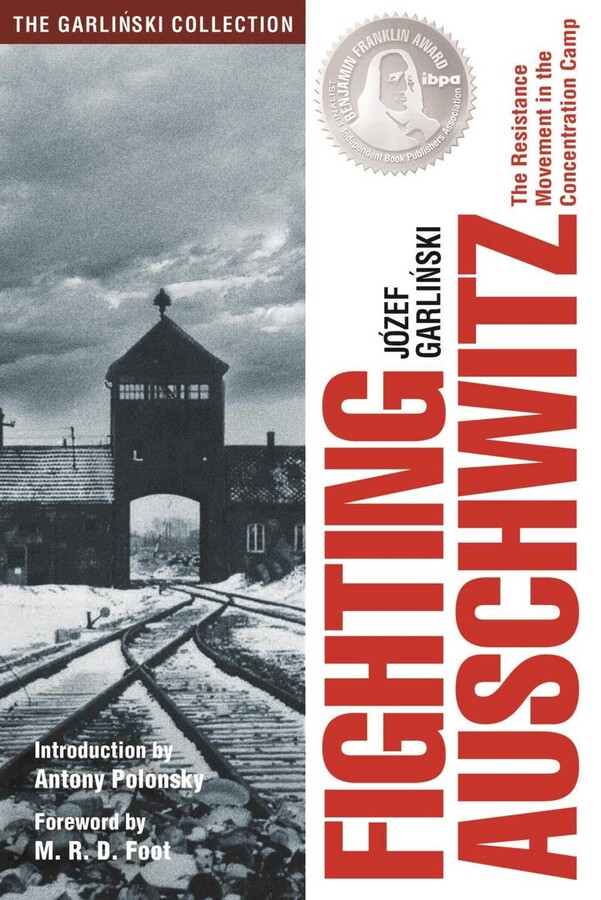
Fighting Auschwitz
The Resistance Movement in the Concentration Camp
Foreword by M. R. D. Foot / Introduction by Antony Polonsky
Published by Aquila Polonica Publishing
Distributed by Simon & Schuster
Table of Contents
About The Book
“The definitive study of the topic.” —Prof. Antony Polonsky, Emeritus Professor of Holocaust Studies, Brandeis University, and Chief Historian, POLIN Museum of the History of Polish Jews.
Winner of the Benjamin Franklin SILVER AWARD for HISTORY from the Independent Book Publishers Association.
The incredible story of underground resistance among the prisoners at the infamous Auschwitz concentration camp.
When the Germans opened Auschwitz in June 1940, it was a concentration camp for political prisoners, who were told on arrival that they would live no longer than three months—expanding two years later to also become a death camp for Jews.
Underground resistance appeared at Auschwitz very quickly, spearheaded in 1940 by one of the bravest men ever to live, Polish army officer Captain Witold Pilecki.
In this meticulously researched and highly readable work, Józef Garlinski traces the evolution and operations of the principal resistance organizations among the prisoners (including communist as well as non-communist groups). He delves into the relationships among these groups, as well as their relationships with the various political and multinational factions in the prisoner population, including both male and female, and with the underground outside the camp. He describes their efforts against the brutal SS men and informers. In parallel, he documents the growth and evolution of Auschwitz itself, and the horrors of the industrialized death factory for Jews created by the Germans.
First published in English in 1975, but out of print for decades, this seminal book is now being released in a new 2nd edition with more than 200 photos and maps, and a new introduction by Prof. Antony Polonsky.
Garlinski, a member of the Polish underground during WWII, was himself a prisoner at Auschwitz.
With more than 200 photos and maps, five Appendices, extensive Bibliography and detailed Indexes.
Winner of the Benjamin Franklin SILVER AWARD for HISTORY from the Independent Book Publishers Association.
The incredible story of underground resistance among the prisoners at the infamous Auschwitz concentration camp.
When the Germans opened Auschwitz in June 1940, it was a concentration camp for political prisoners, who were told on arrival that they would live no longer than three months—expanding two years later to also become a death camp for Jews.
Underground resistance appeared at Auschwitz very quickly, spearheaded in 1940 by one of the bravest men ever to live, Polish army officer Captain Witold Pilecki.
In this meticulously researched and highly readable work, Józef Garlinski traces the evolution and operations of the principal resistance organizations among the prisoners (including communist as well as non-communist groups). He delves into the relationships among these groups, as well as their relationships with the various political and multinational factions in the prisoner population, including both male and female, and with the underground outside the camp. He describes their efforts against the brutal SS men and informers. In parallel, he documents the growth and evolution of Auschwitz itself, and the horrors of the industrialized death factory for Jews created by the Germans.
First published in English in 1975, but out of print for decades, this seminal book is now being released in a new 2nd edition with more than 200 photos and maps, and a new introduction by Prof. Antony Polonsky.
Garlinski, a member of the Polish underground during WWII, was himself a prisoner at Auschwitz.
With more than 200 photos and maps, five Appendices, extensive Bibliography and detailed Indexes.
Product Details
- Publisher: Aquila Polonica Publishing (September 28, 2018)
- Length: 592 pages
- ISBN13: 9781607720249
Browse Related Books
Resources and Downloads
High Resolution Images
-
Book Cover Image (jpg): Fighting Auschwitz
2nd Edition Hardcover 9781607720249