

Plus, receive recommendations and exclusive offers on all of your favorite books and authors from Simon & Schuster.
Table of Contents
About The Book
This award-winning contemporary classic is the survival story with which all others are compared—and a page-turning, heart-stopping adventure, recipient of the Newbery Honor. Hatchet has also been nominated as one of America’s best-loved novels by PBS’s The Great American Read.
Since it was first published in 1987, the story of thirteen-year-old Brian Robeson's survival following a plane crash has become a modern classic. Stranded in the desolate wilderness, Brian uses his instincts and his hatchet to stay alive for fifty-four harrowing days.
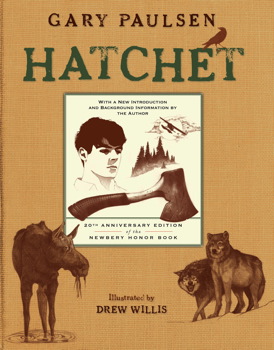
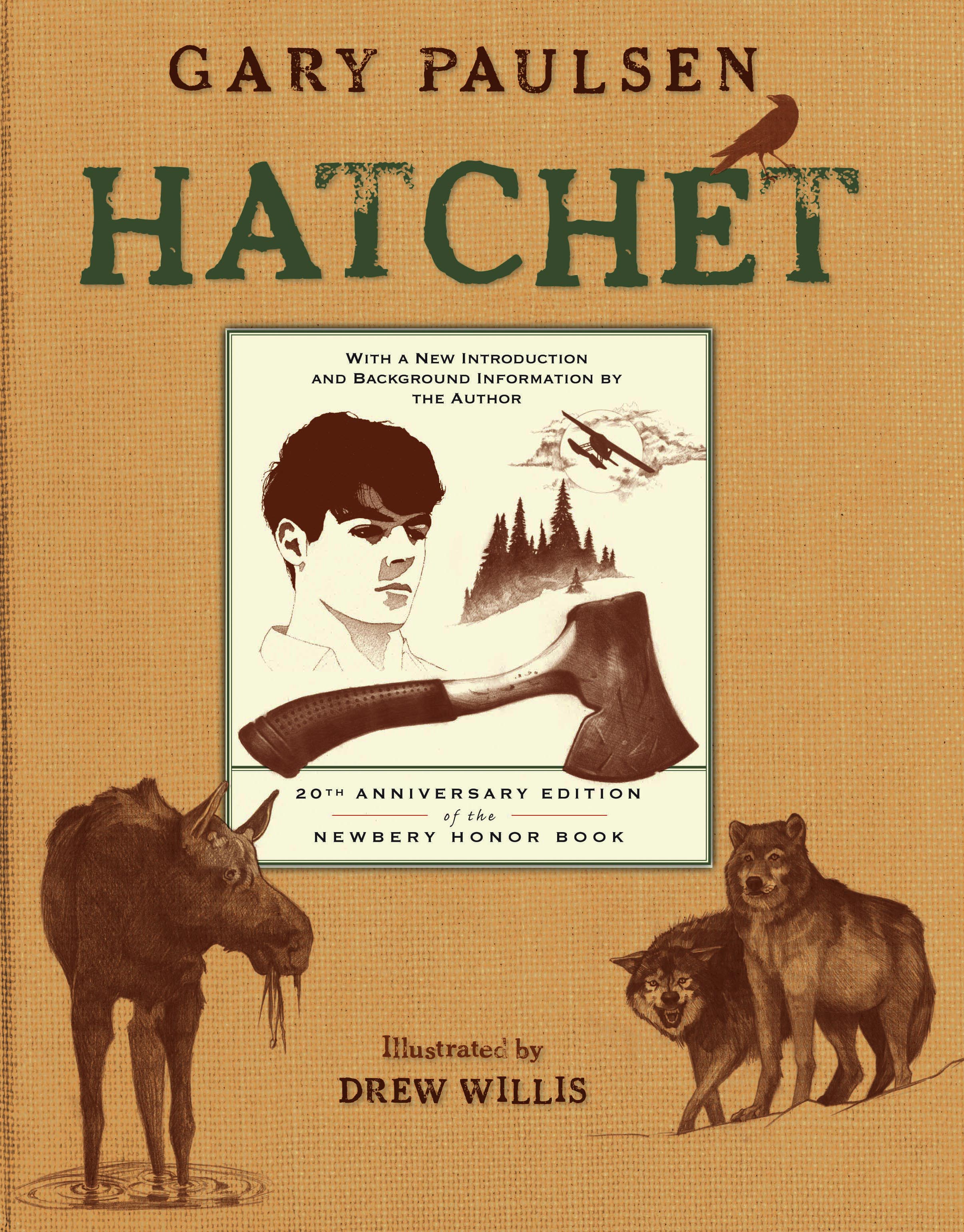
This twentieth-anniversary edition of Hatchet contains a new introduction and sidebar commentary by Gary Paulsen, written especially for this volume. Drew Willis's detailed pen-and-ink illustrations complement the descriptions in the text and add a new dimension to the book. This handsome edition of the Newbery Honor book will be treasured by Hatchet fans as well as by readers encountering Brian's unforgettable story for the first time.
Since it was first published in 1987, the story of thirteen-year-old Brian Robeson's survival following a plane crash has become a modern classic. Stranded in the desolate wilderness, Brian uses his instincts and his hatchet to stay alive for fifty-four harrowing days.
This twentieth-anniversary edition of Hatchet contains a new introduction and sidebar commentary by Gary Paulsen, written especially for this volume. Drew Willis's detailed pen-and-ink illustrations complement the descriptions in the text and add a new dimension to the book. This handsome edition of the Newbery Honor book will be treasured by Hatchet fans as well as by readers encountering Brian's unforgettable story for the first time.
Reading Group Guide
Get a FREE ebook by joining our mailing list today! Plus, receive recommendations for your next Book Club read.
By clicking 'Sign me up', I consent to Simon & Schuster sending me email offers and updates, including offers for a free eBook. I understand I can unsubscribe at any time. Any offer for an eBook may be subject to exclusions, terms, conditions, and registration with our fulfillment partners. We collect and use your information in accordance with our Privacy Policy. Free ebook offer available to NEW CA subscribers only. Offer redeemable at Simon & Schuster's ebook fulfillment partner. Must redeem within 90 days. See the full terms and conditions.
Hatchet
By Gary Paulsen
About the Book
Thirteen-year-old Brian Robeson is en route to spending the summer with his father when the pilot of the single engine plane in which he is flying has a heart attack. The plane crashes in a lake in the Canadian wilderness, leaving Brian alone in the woods with nothing but the clothes on his back and a hatchet that his mother had given him.
During the fifty-four days that Brian lives in the wilderness, he learns to read nature, conquer his fears, rely on his own ingenuity, and deal with the haunting secret that caused his parents’ recent divorce. He comes of age in the woods, but in ways he never expected. He is no longer angry at his parents, and he realizes that self-pity has no positive effect on life. He is a survivor, and that is what makes him a man.
Prereading Activity
· Hatchet is about survival. Ask students to name one thing they think belongs in a survival kit. Make a list of all the suggestions, and engage the class in a discussion about why these things are important. Tell the students that only ten items can fit into a survival kit. Have them debate the ten most essential items.
Discussion Questions
1. Brian Robeson is haunted by “The Secret” about his mother. Discuss why he hasn’t told his father about his mother’s affair. How does keeping “The Secret” make him feel guilty? Explain Brian’s feelings toward his mother at the beginning of the novel when she takes him to the airport. How is his indifference toward her related to “The Secret”? Why is “The Secret” less important to Brian by the end of the novel?
2. When Brian’s mother makes reference to his father, Brian reacts by thinking, “Not ‘my father.’ My Dad.” How might Brian explain the difference between a “dad” and a “father”? Why is the difference so important to him?
3. Discuss how Brian uses information that he has learned from movies and specials on public television to understand the animals in the wild. How does this knowledge contribute to his survival? What does Brian mean when he says that his knowledge is “tough hope”?
4. Immediately following the crash, Brian has hope that someone will rescue him by late night. At what point does he begin to give up hope that he will be found? There are times when Brian suffers from great despair. How does he deal with these dark moments?
5. Brian once had an English teacher who encouraged his students to “get motivated.” He told them, “You are your most valuable asset. Don’t forget that. You are the best thing you have.” How does this message give Brian courage when he is alone in the wilderness? Describe how Brian learns to depend on his own ingenuity.
6. In spite of Brian’s bad luck, he does feel that he has some good luck. Describe his first good luck moment. What is his ultimate good luck? Discuss how Brian’s experiences in the wilderness might change the way he deals with bad luck in the future.
7. Brian is at times overcome with fear. Discuss how fear is both helpful and harmful to Brian. How does he learn to deal with fear? At what point does he learn not to fear the animals, but to share the woods with them?
8. Explain the following statement: “[T]he two things, his mind and his body, had come together . . . had made a connection with each other that he didn’t quite understand.” How does this connection play a role in his survival? Discuss how this connection might guide him throughout life.
9. Brian is alone in the Canadian wilderness for fifty-four days. After four days in the woods, Brian feels that “he had died and been born as the new Brian.” Think about Brian’s return. Describe the new Brian from the point of view of himself, his mother, his father, and his friends.
10. Brian keeps a mental journal of his experiences so that he might share them with his father. What are the mistakes that he records in his mental journal? Describe his best memories.
11. After the tornado exposes the tail of the sunken plane, Brian dives into the water and retrieves the survival kit that the pilot carried. He finds food, matches, and other things that make his survival easier. There is also a rifle. How does the rifle change Brian? Why doesn’t he like the change?
Culminating Thoughts
· Among the virtues that Brian acquires during his fifty-four days alone in the Canadian wilderness are willpower, patience, hope, courage, and trust in his instincts. How might these qualities affect Brian for the rest of his life? What other lessons in life does Brian learn from his experience?
· Suppose Brian prepares a survival kit for another trip to the wilderness. Based on his experiences in the wild, what ten items might he place in the kit?
Writing Activity
· Write a paper that Brian writes at the beginning of school titled “What I Did on My Summer Vacation.”
Prepared by Pat Scales, retired school librarian and independent consultant, Greenville, South Carolina.
This guide has been provided by Simon & Schuster for classroom, library, and reading group use. It may be reproduced in its entirety or excerpted for these purposes. For more Simon & Schuster guides and classroom materials, please visit https://www.simonandschuster.net/m/prek12-teachers-librarians/teaching-resources
By Gary Paulsen
About the Book
Thirteen-year-old Brian Robeson is en route to spending the summer with his father when the pilot of the single engine plane in which he is flying has a heart attack. The plane crashes in a lake in the Canadian wilderness, leaving Brian alone in the woods with nothing but the clothes on his back and a hatchet that his mother had given him.
During the fifty-four days that Brian lives in the wilderness, he learns to read nature, conquer his fears, rely on his own ingenuity, and deal with the haunting secret that caused his parents’ recent divorce. He comes of age in the woods, but in ways he never expected. He is no longer angry at his parents, and he realizes that self-pity has no positive effect on life. He is a survivor, and that is what makes him a man.
Prereading Activity
· Hatchet is about survival. Ask students to name one thing they think belongs in a survival kit. Make a list of all the suggestions, and engage the class in a discussion about why these things are important. Tell the students that only ten items can fit into a survival kit. Have them debate the ten most essential items.
Discussion Questions
1. Brian Robeson is haunted by “The Secret” about his mother. Discuss why he hasn’t told his father about his mother’s affair. How does keeping “The Secret” make him feel guilty? Explain Brian’s feelings toward his mother at the beginning of the novel when she takes him to the airport. How is his indifference toward her related to “The Secret”? Why is “The Secret” less important to Brian by the end of the novel?
2. When Brian’s mother makes reference to his father, Brian reacts by thinking, “Not ‘my father.’ My Dad.” How might Brian explain the difference between a “dad” and a “father”? Why is the difference so important to him?
3. Discuss how Brian uses information that he has learned from movies and specials on public television to understand the animals in the wild. How does this knowledge contribute to his survival? What does Brian mean when he says that his knowledge is “tough hope”?
4. Immediately following the crash, Brian has hope that someone will rescue him by late night. At what point does he begin to give up hope that he will be found? There are times when Brian suffers from great despair. How does he deal with these dark moments?
5. Brian once had an English teacher who encouraged his students to “get motivated.” He told them, “You are your most valuable asset. Don’t forget that. You are the best thing you have.” How does this message give Brian courage when he is alone in the wilderness? Describe how Brian learns to depend on his own ingenuity.
6. In spite of Brian’s bad luck, he does feel that he has some good luck. Describe his first good luck moment. What is his ultimate good luck? Discuss how Brian’s experiences in the wilderness might change the way he deals with bad luck in the future.
7. Brian is at times overcome with fear. Discuss how fear is both helpful and harmful to Brian. How does he learn to deal with fear? At what point does he learn not to fear the animals, but to share the woods with them?
8. Explain the following statement: “[T]he two things, his mind and his body, had come together . . . had made a connection with each other that he didn’t quite understand.” How does this connection play a role in his survival? Discuss how this connection might guide him throughout life.
9. Brian is alone in the Canadian wilderness for fifty-four days. After four days in the woods, Brian feels that “he had died and been born as the new Brian.” Think about Brian’s return. Describe the new Brian from the point of view of himself, his mother, his father, and his friends.
10. Brian keeps a mental journal of his experiences so that he might share them with his father. What are the mistakes that he records in his mental journal? Describe his best memories.
11. After the tornado exposes the tail of the sunken plane, Brian dives into the water and retrieves the survival kit that the pilot carried. He finds food, matches, and other things that make his survival easier. There is also a rifle. How does the rifle change Brian? Why doesn’t he like the change?
Culminating Thoughts
· Among the virtues that Brian acquires during his fifty-four days alone in the Canadian wilderness are willpower, patience, hope, courage, and trust in his instincts. How might these qualities affect Brian for the rest of his life? What other lessons in life does Brian learn from his experience?
· Suppose Brian prepares a survival kit for another trip to the wilderness. Based on his experiences in the wild, what ten items might he place in the kit?
Writing Activity
· Write a paper that Brian writes at the beginning of school titled “What I Did on My Summer Vacation.”
Prepared by Pat Scales, retired school librarian and independent consultant, Greenville, South Carolina.
This guide has been provided by Simon & Schuster for classroom, library, and reading group use. It may be reproduced in its entirety or excerpted for these purposes. For more Simon & Schuster guides and classroom materials, please visit https://www.simonandschuster.net/m/prek12-teachers-librarians/teaching-resources
About The Author
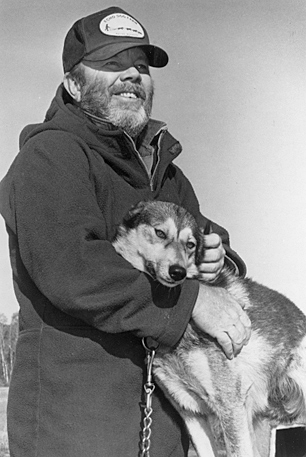
Photo by Ruth Wright Paulsen
Gary Paulsen (1931–2021) was one of the most honored writers of contemporary literature for young readers, author of three Newbery Honor titles, Dogsong, Hatchet, and The Winter Room. He wrote over 100 books for adults and young readers.
About The Illustrator
Drew Willis is an art director and illustrator working in New York City. Visit him at DrewWillis.com.
Product Details
- Publisher: Simon & Schuster Books for Young Readers (September 25, 2007)
- Length: 192 pages
- ISBN13: 9781416925088
- Ages: 10 - 14
Browse Related Books
Awards and Honors
- ALA Newbery Honor Book
- ALA Notable Children's Books
- Booklist Editors' Choice
- Flicker Tale Award (ND)
- William Allen White Children's Book Award (KS)
- CBC/NCSS Notable Children's Book in Social Studies
- Georgia Children's Book Award
- Young Hoosier Book Award (IN)
- ALA Best of the Best Books for Young Adults
- Booklist Best Of 80's
- Dorothy Canfield Fisher Book Award (VT)
- Virginia Young Readers Book Award
- Buckeye Children's Book Award (OH)
- Golden Archer Award (WI)
- Iowa Teen Award
- Massachusetts Children's Book Award
- Maud Hart Lovelace Award (MN)
- Minnesota Book Award
- High School Sequoyah Book Award (OK)
- Oregon Battle of the Books List
- 3 Apples Book Award Master List (NY)
- Bluestem Book Award Master List (IL)
Resources and Downloads
High Resolution Images
-
Book Cover Image (jpg): Hatchet
Hardcover 9781416925088(1.0 MB)
-
Author Photo (jpg): Gary Paulsen Photo by Ruth Wright Paulsen(0.1 MB)
Any use of an author photo must include its respective photo credit