Plus, receive recommendations and exclusive offers on all of your favorite books and authors from Simon & Schuster.
Published by Library of American Landscape History
Distributed by Simon & Schuster
Table of Contents
About The Book
Winner, Center for Historic Preservation Book Prize
Winner, New York City Book Award for Landscape History
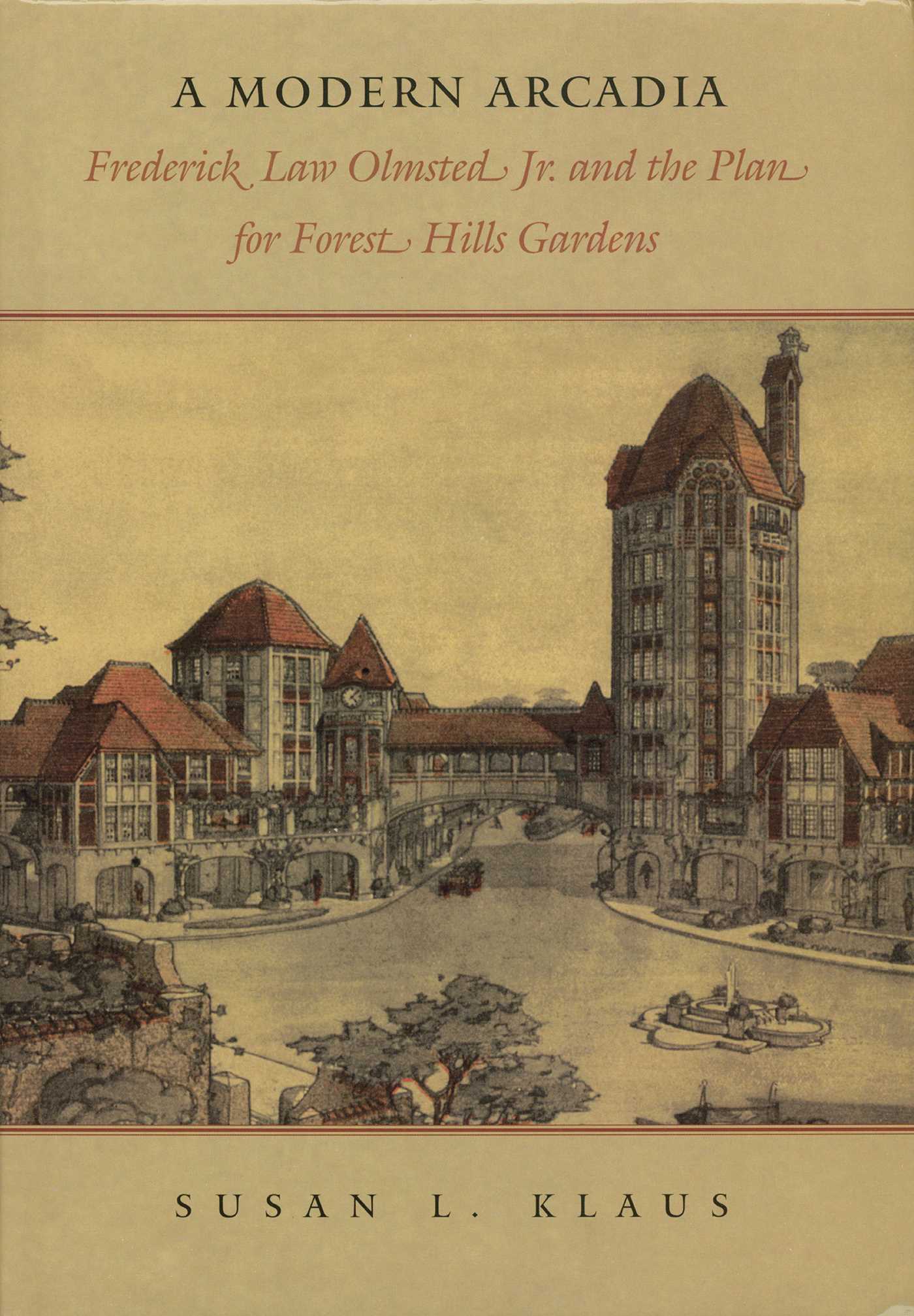
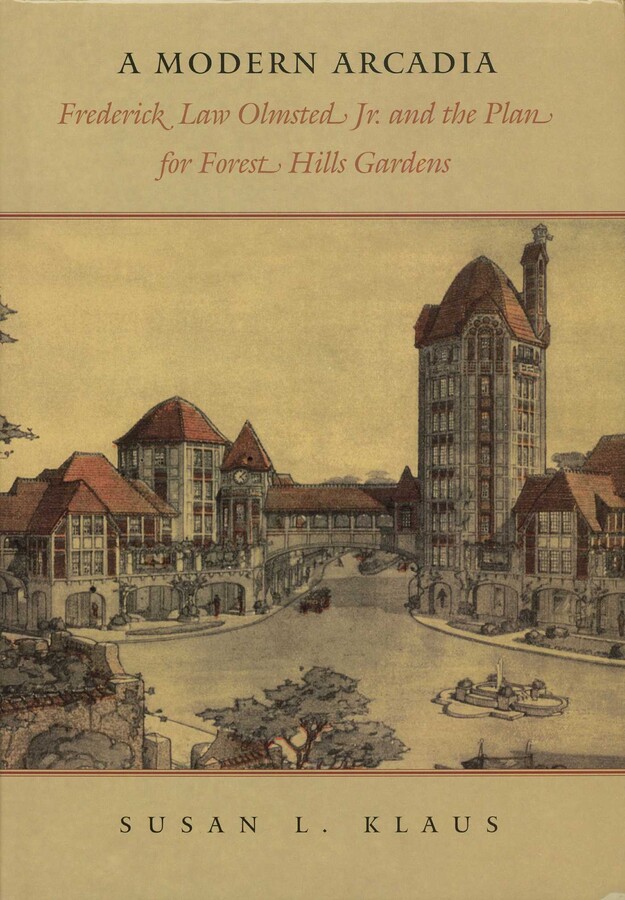
Conceived as an experiment that would apply the new “science” of city planning to a suburban setting, Forest Hills Gardens was created by the Russell Sage Foundation to provide housing for middle-class commuters as an alternative to cramped flats in New York City. Although it has long been recognized as one of the most influential planned communities in the United States, this is the first time Forest Hills Gardens has been the subject of a book.
Susan L. Klaus's fully illustrated history chronicles the creation of the 142-acre development from its inception in 1909 through its first two decades, offering critical insights into American planning history, landscape architecture, and the social and economic forces that shaped housing in the Progressive Era. Klaus focuses particularly on the creative genius of Frederick Law Olmsted Jr., who served as planner and landscape architect for the project.
Drawing on his father's visionary ideas but developing his own perspective, the younger Olmsted redefined planning for the modern era and became one of the founders of the profession of city planning in the United States.
“The scholarship in this work is exceptionally thorough. . . . A Modern Arcadia will make a significant contribution to the fields of landscape and planning history.”
—Cynthia Zaitzevsky, author of Frederick Law Olmsted and the Boston Park System
“A Modern Arcadia illuminates the fascinating intersection of social and aesthetic reform movements in the Progressive Era, as well as the early career of a prolific and influential planner and landscape architect.”
—David Glassberg, author of Sense of History: The Place of the Past in American Life
Winner, New York City Book Award for Landscape History
Conceived as an experiment that would apply the new “science” of city planning to a suburban setting, Forest Hills Gardens was created by the Russell Sage Foundation to provide housing for middle-class commuters as an alternative to cramped flats in New York City. Although it has long been recognized as one of the most influential planned communities in the United States, this is the first time Forest Hills Gardens has been the subject of a book.
Susan L. Klaus's fully illustrated history chronicles the creation of the 142-acre development from its inception in 1909 through its first two decades, offering critical insights into American planning history, landscape architecture, and the social and economic forces that shaped housing in the Progressive Era. Klaus focuses particularly on the creative genius of Frederick Law Olmsted Jr., who served as planner and landscape architect for the project.
Drawing on his father's visionary ideas but developing his own perspective, the younger Olmsted redefined planning for the modern era and became one of the founders of the profession of city planning in the United States.
“The scholarship in this work is exceptionally thorough. . . . A Modern Arcadia will make a significant contribution to the fields of landscape and planning history.”
—Cynthia Zaitzevsky, author of Frederick Law Olmsted and the Boston Park System
“A Modern Arcadia illuminates the fascinating intersection of social and aesthetic reform movements in the Progressive Era, as well as the early career of a prolific and influential planner and landscape architect.”
—David Glassberg, author of Sense of History: The Place of the Past in American Life
Product Details
- Publisher: Library of American Landscape History (January 1, 2004)
- Length: 224 pages
- ISBN13: 9781952620089
Browse Related Books
Resources and Downloads
High Resolution Images
-
Book Cover Image (jpg): Modern Arcadia
Trade Paperback 9781952620089