
Plus, receive recommendations and exclusive offers on all of your favorite books and authors from Simon & Schuster.
0:00 /
Table of Contents
About The Book
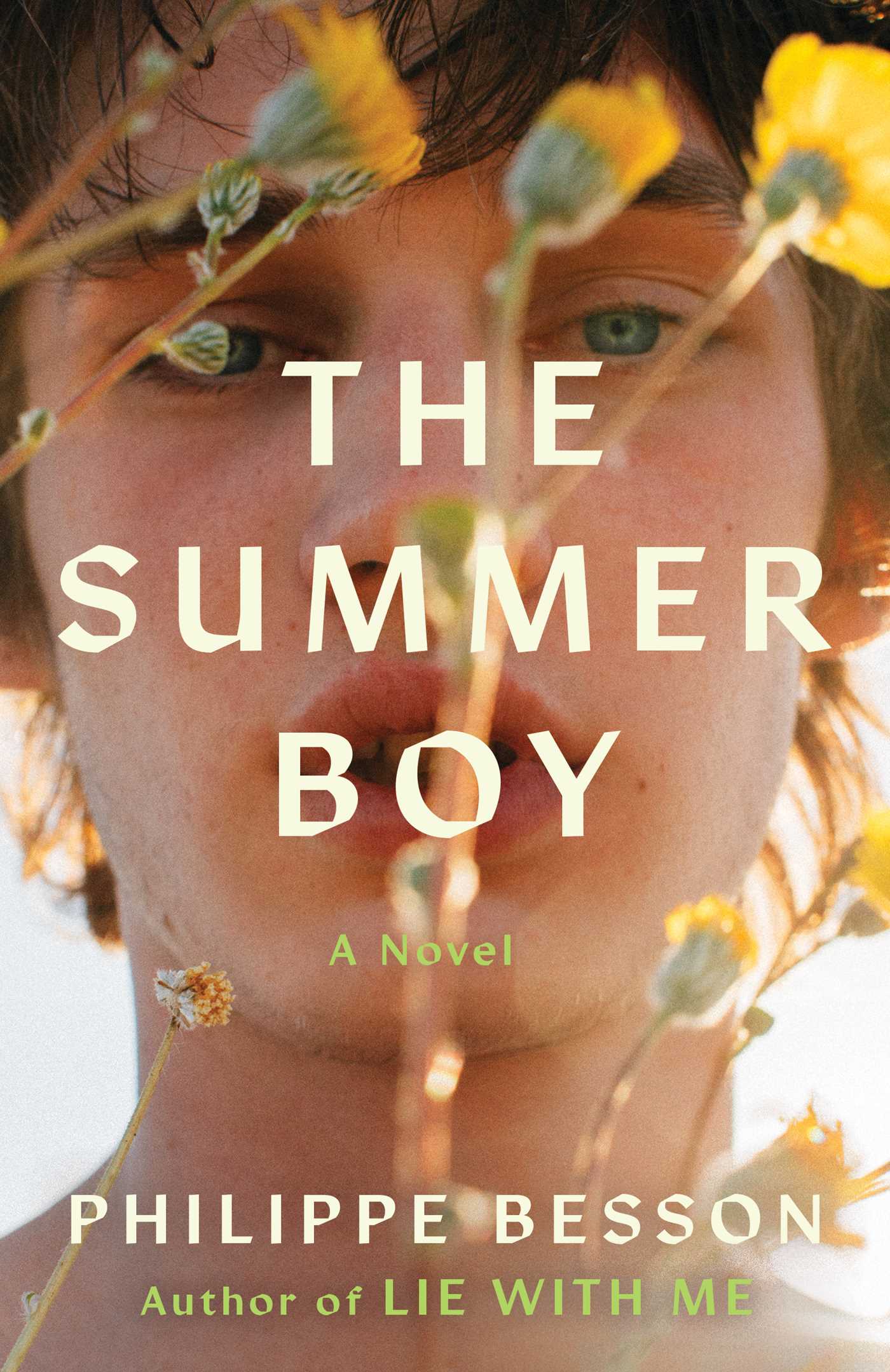
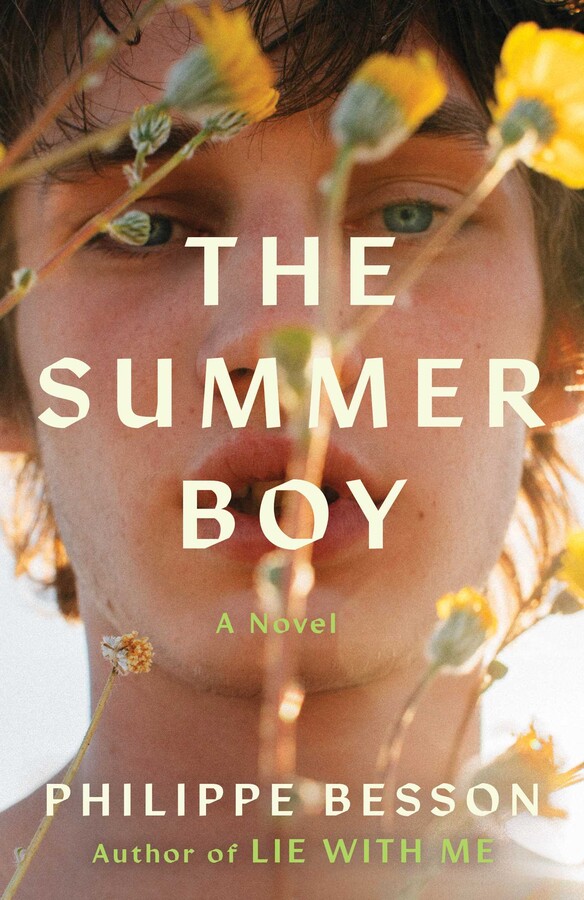
On an island off the coast of France, six teenagers come together for a summer of desire and discovery until one of them vanishes forever, leaving the rest with an enduring mystery.
Tell me, do you know why the most beautiful love stories must always end badly?
In the summer of 1985, on a scruffy resort island off the coast of France, six teenagers—five boys and one girl—band together for a final golden season before adulthood. Their days are drenched in sun and freedom, and their nights simmer with secrets, jealousy, and longing. Philippe is drawn to Nicolas, the quiet new boy who sees him in a way that no one else does. As their bond deepens, part of Nicolas remains unreachable—until a sudden tragedy brings their summer to a brutal end.
The Summer Boy is a lush and unforgettable autobiographical tale, capturing the ineffable summers of youth in amber. Celebrated novelist Philippe Besson has shaped his memories into an aching meditation on how one summer night—and one fierce connection—can echo across a lifetime.
Tell me, do you know why the most beautiful love stories must always end badly?
In the summer of 1985, on a scruffy resort island off the coast of France, six teenagers—five boys and one girl—band together for a final golden season before adulthood. Their days are drenched in sun and freedom, and their nights simmer with secrets, jealousy, and longing. Philippe is drawn to Nicolas, the quiet new boy who sees him in a way that no one else does. As their bond deepens, part of Nicolas remains unreachable—until a sudden tragedy brings their summer to a brutal end.
The Summer Boy is a lush and unforgettable autobiographical tale, capturing the ineffable summers of youth in amber. Celebrated novelist Philippe Besson has shaped his memories into an aching meditation on how one summer night—and one fierce connection—can echo across a lifetime.
Reading Group Guide
Get a FREE ebook by joining our mailing list today! Plus, receive recommendations for your next Book Club read.
By clicking 'Sign me up', I consent to Simon & Schuster sending me email offers and updates, including offers for a free eBook. I understand I can unsubscribe at any time. Any offer for an eBook may be subject to exclusions, terms, conditions, and registration with our fulfillment partners. We collect and use your information in accordance with our Privacy Policy. Free ebook offer available to NEW CA subscribers only. Offer redeemable at Simon & Schuster's ebook fulfillment partner. Must redeem within 90 days. See the full terms and conditions.
Topics & Questions for Discussion
The story begins with a snippet from the present, before jumping into the summer of 1985. As the narrator reflects on nostalgia and lingering guilt, he asks the reader “why the most beautiful stories must end badly.” How would you respond to this question? Can you relate to these feelings in your own life?
Before Philippe reaches the island, he ponders the heart-wrenching feeling that accompanies losing people before transitioning to another stage of life, in this case moving on to the next phase of school. Now that you have read the novel, and know the dramatic events that are about to take place, how do you think Philippe’s innocence and sensitivity set up what is to come that summer?
After Philippe meets up with his close friend François, they discuss François’s attraction to a tourist on the beach. Philippe describes the desire felt by an eighteen-year-old boy: “the desire to make use of their brand-new body . . . It has no shame.” How does Philippe confront his desires as a gay teenager in 1980s France as opposed to how François confronts his own as a straight teenager?
In Philippe’s initial interaction with Nicolas, Philippe feels as if his own words sound like he is talking down to an “inferior,” and they have “the same clunking sonority as a coin tossed in the plastic cup of a homeless person.” How does this first meeting set up the divide between Philippe and the boys living on the island?
As the group goes to meet Christophe, Philippe recalls a photograph of François and Christophe, which “told a story of friendship . . . protected from the world beyond.” In what ways do you see the boys on the island as being protected unlike Philippe or newcomer Nicolas?
Before going to meet Alice in Saint-Martin, Philippe looks back on how “wonderfully malleable” they were as teenagers before life sucked them into “its spiral of futility.” Do you believe the other boys have the same reflections on their youth and adulthood? Why or why not?
When the boys first meet up with Alice, why do you think Philippe wants to make such a clear declaration that he is not like Marc and Alice?
Reflecting on his feelings for Marc, Philippe talks about the “gray zone” and the exhaustion he experienced as a young gay teenager exploring his sexuality in the 1980s, noting that “we preferred the company of our friends to possible romantic partners.” How might this early suppression of desire and personal freedom influence Philippe’s relationships with his friends and with others later in life?
In an intimate conversation with Nicolas, Philippe shared his thoughts about ending his life after Thomas left, which Nicolas calls “beautiful.” What does Nicolas’s reaction to this admission tell you about his character, and how does this foreshadow what’s to come?
When François speaks about Nicolas, he puts him down, asserting himself as the “alpha” on the island. However, in Alice’s eyes, François is just “the butcher’s apprentice.” How do you see Alice’s perception as an outsider affecting François’s confidence?
While spending time with Virginie, Philippe shares his desire for a closer family, and that he will spend his life “inventing proximities, attachments, and affections to substitute for family ties.” In what other ways do you see Philippe reaching out for familial connection, either with the boys or with François’s family?
During Philippe and Marc’s first one-on-one, we see how they seem to have nothing in common, but their desire supersedes their lack of shared experience. How do you see this operating in the interactions between François and Alice, or Alice and Nicolas?
When Nicolas first disappears on the dance floor, Philippe’s inner voice keeps telling him something is wrong. Why do you think Philippe senses this but the other teenagers in the group do not?
After hearing from Nicolas’s mom that he didn’t come home the night before, Philippe feels weighed down by immaturity and cowardice. Why do you think Philippe was too “cowardly” to do more to find his friend at the dance club? At the police station when the group is silent, do you think the other teenagers feel the same cowardice and guilt as Philippe?
Philippe reflects that at eighteen one lives in the moment without paying attention to details, and that young people do not know the darkness of the human soul quite yet. Do you agree? How do you think the group would have acted on the night of the disappearance if they had been adults?
Philippe’s perspective on Nicolas’s personality changes as he reflects on it, and he begins to see Nicolas’ shyness as fear, his gentleness as fragility. Why do you think Philippe didn’t pick up on these nuances earlier in the story, and has your perception of Nicolas’s personality also changed as a reader?
Philippe said that Nicolas taught him the preciousness of life. What else do you think he learned from him? What did you learn from the story?
Enhance Your Book Club
In the author’s previous book, Lie with Me, we see Philippe’s relationship with Thomas, something that is frequently mentioned in The Summer Boy. Discuss how the relationship in Lie with Me might have affected Philippe’s connections with the boys on the island.
Given how much has changed since the ’80s, how do you think the case would have been handled had it happened today? Do you think Nicolas would have been treated differently?
What are some of your favorite novels or short stories that remind you of The Summer Boy, whether in setting, mood, plot, or character?
The story begins with a snippet from the present, before jumping into the summer of 1985. As the narrator reflects on nostalgia and lingering guilt, he asks the reader “why the most beautiful stories must end badly.” How would you respond to this question? Can you relate to these feelings in your own life?
Before Philippe reaches the island, he ponders the heart-wrenching feeling that accompanies losing people before transitioning to another stage of life, in this case moving on to the next phase of school. Now that you have read the novel, and know the dramatic events that are about to take place, how do you think Philippe’s innocence and sensitivity set up what is to come that summer?
After Philippe meets up with his close friend François, they discuss François’s attraction to a tourist on the beach. Philippe describes the desire felt by an eighteen-year-old boy: “the desire to make use of their brand-new body . . . It has no shame.” How does Philippe confront his desires as a gay teenager in 1980s France as opposed to how François confronts his own as a straight teenager?
In Philippe’s initial interaction with Nicolas, Philippe feels as if his own words sound like he is talking down to an “inferior,” and they have “the same clunking sonority as a coin tossed in the plastic cup of a homeless person.” How does this first meeting set up the divide between Philippe and the boys living on the island?
As the group goes to meet Christophe, Philippe recalls a photograph of François and Christophe, which “told a story of friendship . . . protected from the world beyond.” In what ways do you see the boys on the island as being protected unlike Philippe or newcomer Nicolas?
Before going to meet Alice in Saint-Martin, Philippe looks back on how “wonderfully malleable” they were as teenagers before life sucked them into “its spiral of futility.” Do you believe the other boys have the same reflections on their youth and adulthood? Why or why not?
When the boys first meet up with Alice, why do you think Philippe wants to make such a clear declaration that he is not like Marc and Alice?
Reflecting on his feelings for Marc, Philippe talks about the “gray zone” and the exhaustion he experienced as a young gay teenager exploring his sexuality in the 1980s, noting that “we preferred the company of our friends to possible romantic partners.” How might this early suppression of desire and personal freedom influence Philippe’s relationships with his friends and with others later in life?
In an intimate conversation with Nicolas, Philippe shared his thoughts about ending his life after Thomas left, which Nicolas calls “beautiful.” What does Nicolas’s reaction to this admission tell you about his character, and how does this foreshadow what’s to come?
When François speaks about Nicolas, he puts him down, asserting himself as the “alpha” on the island. However, in Alice’s eyes, François is just “the butcher’s apprentice.” How do you see Alice’s perception as an outsider affecting François’s confidence?
While spending time with Virginie, Philippe shares his desire for a closer family, and that he will spend his life “inventing proximities, attachments, and affections to substitute for family ties.” In what other ways do you see Philippe reaching out for familial connection, either with the boys or with François’s family?
During Philippe and Marc’s first one-on-one, we see how they seem to have nothing in common, but their desire supersedes their lack of shared experience. How do you see this operating in the interactions between François and Alice, or Alice and Nicolas?
When Nicolas first disappears on the dance floor, Philippe’s inner voice keeps telling him something is wrong. Why do you think Philippe senses this but the other teenagers in the group do not?
After hearing from Nicolas’s mom that he didn’t come home the night before, Philippe feels weighed down by immaturity and cowardice. Why do you think Philippe was too “cowardly” to do more to find his friend at the dance club? At the police station when the group is silent, do you think the other teenagers feel the same cowardice and guilt as Philippe?
Philippe reflects that at eighteen one lives in the moment without paying attention to details, and that young people do not know the darkness of the human soul quite yet. Do you agree? How do you think the group would have acted on the night of the disappearance if they had been adults?
Philippe’s perspective on Nicolas’s personality changes as he reflects on it, and he begins to see Nicolas’ shyness as fear, his gentleness as fragility. Why do you think Philippe didn’t pick up on these nuances earlier in the story, and has your perception of Nicolas’s personality also changed as a reader?
Philippe said that Nicolas taught him the preciousness of life. What else do you think he learned from him? What did you learn from the story?
Enhance Your Book Club
In the author’s previous book, Lie with Me, we see Philippe’s relationship with Thomas, something that is frequently mentioned in The Summer Boy. Discuss how the relationship in Lie with Me might have affected Philippe’s connections with the boys on the island.
Given how much has changed since the ’80s, how do you think the case would have been handled had it happened today? Do you think Nicolas would have been treated differently?
What are some of your favorite novels or short stories that remind you of The Summer Boy, whether in setting, mood, plot, or character?
About The Author
Photograph © Charlotte Krebs
Philippe Besson is a prizewinning author, screenwriter, and playwright. His first novel, In the Absence of Men, was awarded the Emmanuel-Roblès Prize in 2001, and he is also the author of Lie with Me, a #1 French bestseller. His novels have been translated into twenty different languages.
Product Details
- Publisher: Scribner (May 26, 2026)
- Length: 208 pages
- ISBN13: 9781668204047
Browse Related Books
Raves and Reviews
"Perfect reading for a heatwave . . . Doomed youth, simmering desire and 100-proof nostalgia is what Besson does—and he does it very well." —The Times (UK)
"Prismatic...A moving, loving reflection of innocence lost too early." —Kirkus Reviews, STARRED review
"A haunting and wistful work of autofiction about a fateful summer...Besson eloquently portrays the characters’ youthful fickleness and yearning. This one leaves a mark." —Publishers Weekly, STARRED review
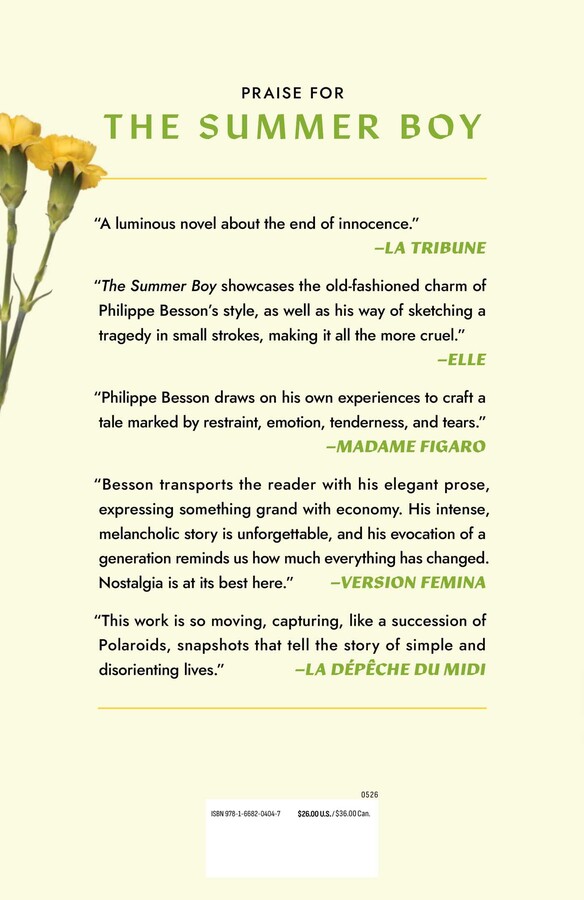
"The Summer Boy has the old-fashioned charm that is characteristic of Philippe Besson's style. And of his way of painting a drama with small touches, making it all the more cruel." —Elle
"Philippe Besson draws inspiration from a true story to construct a tale of modesty, emotion, tenderness, and tears." —Madame Figaro
"Philippe Besson moves with his elegant pen, which expresses a lot in a few words. His intense and melancholic story is unforgettable, and his evocation of a generation reminds us how much everything has changed. Nostalgia is at its best here." —Femina Version
"A luminous tale about the end of carelessness." —La Tribune
"With his delicate pen, the author draws inspiration from real events to dissect the end of adolescent carefreeness in the languor of July 1985. The writing, refined, is moving." —La Voix du Nord
"A work that is always so moving, capturing, like a succession of Polaroids, these snapshots that tell the story of simple and disorienting lives." —La Dépêche du Midi
Resources and Downloads
High Resolution Images
-
Book Cover Image (jpg): The Summer Boy
Hardcover 9781668204047
-
Author Photo (jpg): Philippe Besson Photograph © Charlotte Krebs(0.1 MB)
Any use of an author photo must include its respective photo credit