

Plus, receive recommendations and exclusive offers on all of your favorite books and authors from Simon & Schuster.
0:00 /
Table of Contents
Listen To An Excerpt
0:00 /
About The Book
A “droll, psychologically astute…unexpected…very funny” (Maureen Corrigan, NPR’s Fresh Air) and moving portrait of a long-married couple, seen through the eyes of their wickedly observant daughter.
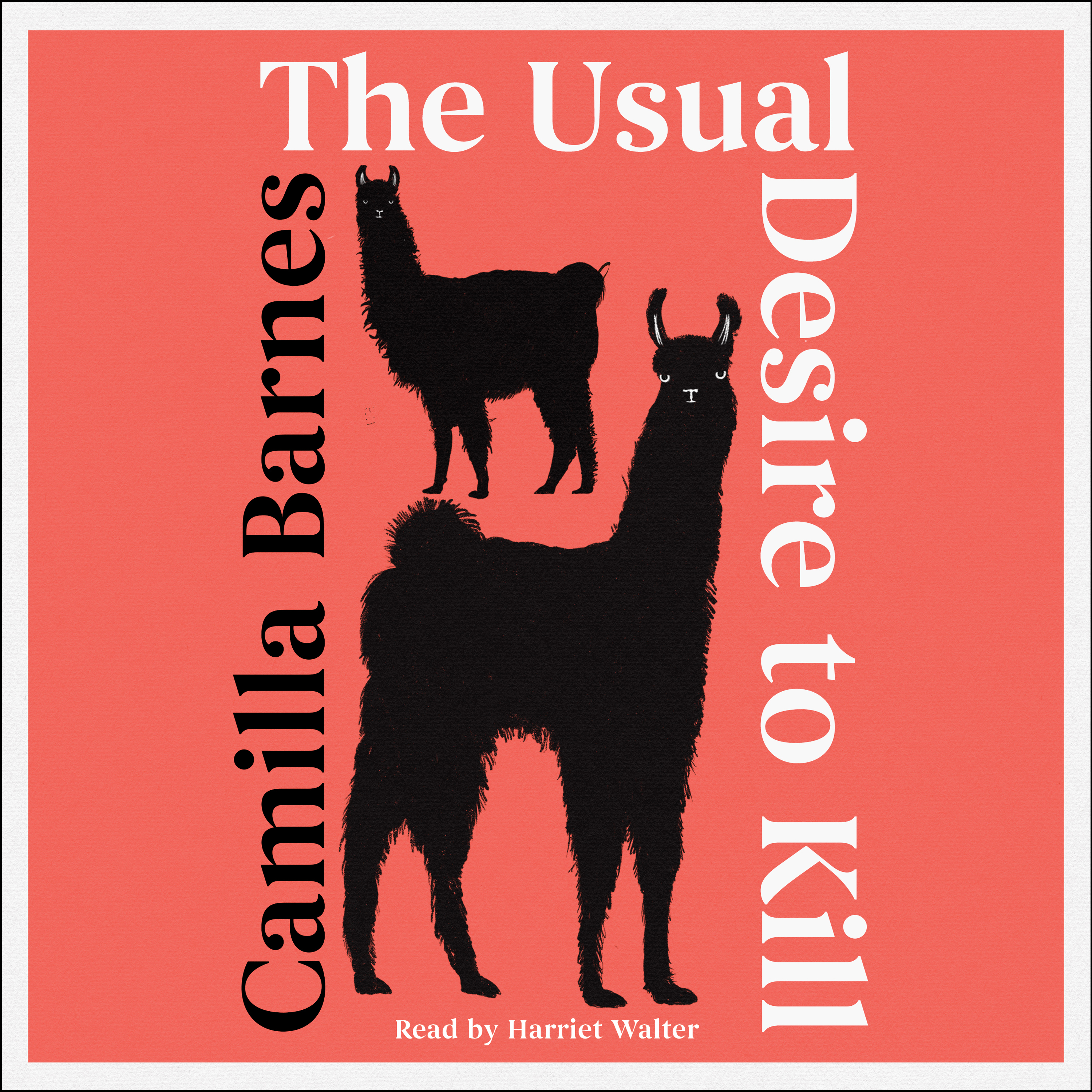
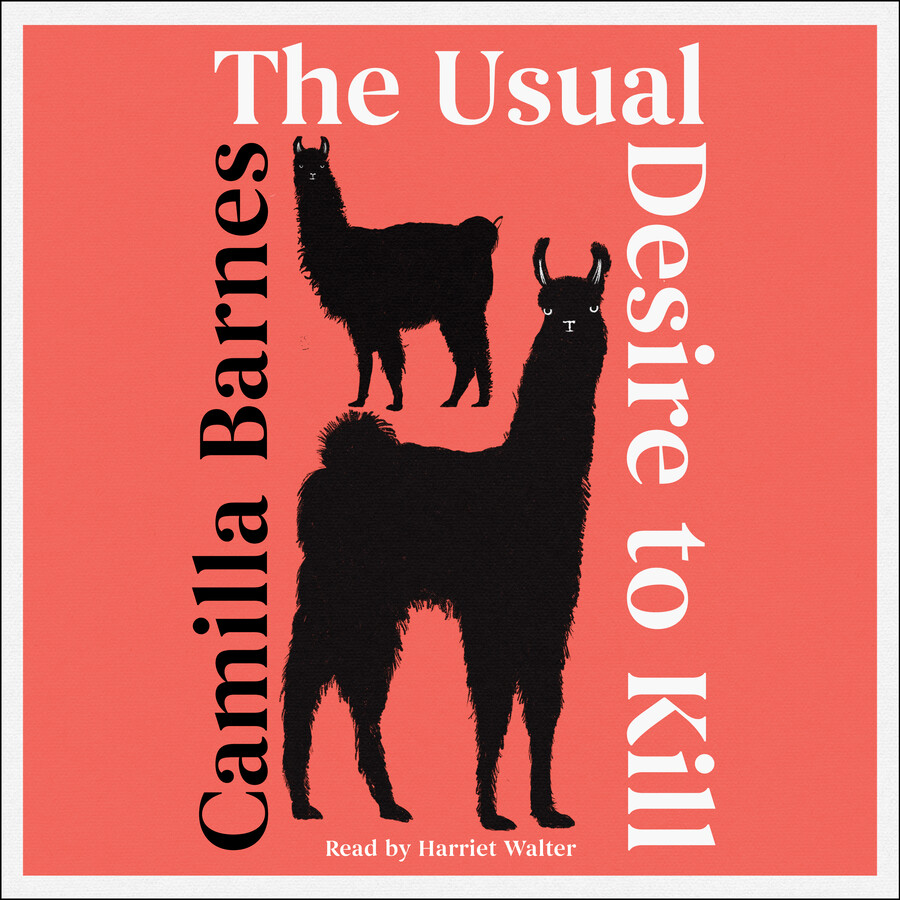
Miranda’s parents live in a dilapidated house in rural France that they share with two llamas, eight ducks, five chickens, two cats, and a freezer full of decades-old food.
Miranda’s father is a retired professor of philosophy who never loses an argument. Miranda’s mother likes to bring conversation back to “the War,” although she was born after it ended. Married for fifty years, they are uncommonly set in their ways. Miranda plays the role of translator when she visits, communicating the desires or complaints of one parent to the other and then venting her frustration to her sister and her daughter. At the end of a visit, she reports “the usual desire to kill.”
This wry, propulsive story about an eccentric yet endearing family and the sibling rivalry, generational divides, and long-buried secrets that shape them, is a glorious debut novel from a seasoned playwright with immense empathy and a flair for dialogue.
Miranda’s parents live in a dilapidated house in rural France that they share with two llamas, eight ducks, five chickens, two cats, and a freezer full of decades-old food.
Miranda’s father is a retired professor of philosophy who never loses an argument. Miranda’s mother likes to bring conversation back to “the War,” although she was born after it ended. Married for fifty years, they are uncommonly set in their ways. Miranda plays the role of translator when she visits, communicating the desires or complaints of one parent to the other and then venting her frustration to her sister and her daughter. At the end of a visit, she reports “the usual desire to kill.”
This wry, propulsive story about an eccentric yet endearing family and the sibling rivalry, generational divides, and long-buried secrets that shape them, is a glorious debut novel from a seasoned playwright with immense empathy and a flair for dialogue.
Reading Group Guide
Get a FREE audiobook by joining our mailing list today! Plus, receive recommendations for your next Book Club read.
By clicking 'Sign me up', I consent to Simon & Schuster sending me email offers and updates, including offers for a free eBook. I understand I can unsubscribe at any time. Any offer for an eBook may be subject to exclusions, terms, conditions, and registration with our fulfillment partners. We collect and use your information in accordance with our Privacy Policy. Free ebook offer available to NEW CA subscribers only. Offer redeemable at Simon & Schuster's ebook fulfillment partner. Must redeem within 90 days. See the full terms and conditions.
This reading group guide for THE USUAL DESIRE TO KILL includes discussion questions and suggestions for enhancing your book club. The suggested questions are intended to help your reading group find new and interesting angles and topics for your discussion. We hope that these ideas will enrich your conversation and increase your enjoyment of the book.
Discussion Questions
Camilla Barnes unites comedy with pathos in this hilarious, heartfelt tragicomic novel. The provocative title, The Usual Desire to Kill, sets the stage for the marriage of humor and high emotion. How does the title reflect the book’s themes or characters’ inner and outer conflicts?
How does the author use humor to balance the novel’s heavier themes, such as familial strife, aging, and regret? Can you identify specific moments where comedy provides relief?
How does the theme of familial obligations and expectations manifest throughout the novel? Which character feels this weight the most?
What role does regret play in the novel? How do the characters cope with their past choices and the concept of forgiveness?
There are various references to the “sort of people” the eccentric family identify and disidentify with. In a letter to Kitty, Mum seems to lament the “sort of person” she mixes with now (page 145); Mum looked down on Madeleine because she was not “our sort” (page 159). What social identity does the family most seem to align with, and what identity do they want to distance themselves from? What behaviors, rituals, and/or beliefs allow Mum and the other family members to adhere to this collective “type” of person? In what ways do the characters falter from this type?
What is the significance of the animals, particularly the llamas and cats, in the story? How do they mirror or contrast with the human characters?
Discuss the importance of Oxford and other settings like Poitiers and Hereford. How do these locations contribute to the character development and construct themes related to change, growth, or regression?
Consider the structure of the book: the epistolary portions in the letters to Kitty and the emails between Miranda and Charlotte, the shifting POVs, the play-like staging. How does this structure help you understand the characters? In what ways are the stakes heightened by this varied structure, and how does the structure influence your desire to extract “meaning” from the story?
Reread “The Purple Jar” and discuss what this tale cautions against. How do the decisions made by the family relate to the story’s parable of desire and disappointment, and in what ways has the family adequately averted what the story warns? Some contemporary scholars have read this tale as a parable against consumer capitalism. Debate reasons for and against this reading, and provide examples of other contemporary lessons or warnings to be heeded from this tale.
Identify and discuss the quirks of each central character—Mum, Dad, Charlotte, and Miranda. How do they complement each other? How do their traits cause them to clash?
Mum and Dad are able to clash and end up relatively unscathed after tiffs. How has the couple maintained their relationship for decades? Discuss how the couple has grown, stagnated, or regressed over the years.
Discuss the social mores of mid-twentieth-century England and how they impacted the women in the novel. How would Mum have fared differently if she were brought up in contemporary England? Would her choices and life change much if the story were set in the mid-twentieth-century United States?
Discuss the role silence plays in the novel. Alice’s father is not to be discussed, neither is Charlotte’s ex-husband, and Dad never tells Mum the truth about what happened with Barbara—he tells Alice “real power lies in knowing what you don’t know” (page 220). Interpret this statement and discuss the cultural values that contribute to silence, considering the merits of silence and not knowing.
In Miranda’s email to Charlotte, she tells her that their parents’ clinging on to an ancient edition of The Times Atlas, and Mum’s never having left Europe (except for Rhodesia), is “surely . . . symbolic of [their parents’] life.” Of what are these behaviors symbolic? Interpret Mum’s nostalgic longing for a Great Britain, and discuss how nostalgia can be both comforting and injurious.
Dad says that Epictetus has taught him that he “should shut up and be happy with what [he has]” (page 65). In what other ways can you glean how philosophy has helped Dad, or the rest of the family, cope with, and even be eager for, life? Debate the merits of heeding Epictetus’s teachings and discuss how adopting the shut-up-and-be-happy outlook would, or wouldn’t, work for you.
Discuss your interpretation of the ending of the novel, as the curtains close and audience members are released from the enrapturing grasp of the play—“everything that has been has ceased” (page 246). What future do you imagine for the characters, and how does the concluding page influence your envisioning of not only the characters’ fates, but your own conception of art and life?
Enhance Your Book Club
Select King Lear as a companion read to The Usual Desire to Kill and discuss the parallels between the play and Camilla Barnes’s debut novel.
Research some general philosophical schools and concepts—existentialism, stoicism, nihilism; logical fallacies, vagueness, and “God is Dead”— and discuss the relative merits of adopting them as an outlook in your life.
Cast the movie, play, or television series of The Usual Desire to Kill. Which professional actors, or members of your group, could you envision playing the characters in the novel?
Discussion Questions
Camilla Barnes unites comedy with pathos in this hilarious, heartfelt tragicomic novel. The provocative title, The Usual Desire to Kill, sets the stage for the marriage of humor and high emotion. How does the title reflect the book’s themes or characters’ inner and outer conflicts?
How does the author use humor to balance the novel’s heavier themes, such as familial strife, aging, and regret? Can you identify specific moments where comedy provides relief?
How does the theme of familial obligations and expectations manifest throughout the novel? Which character feels this weight the most?
What role does regret play in the novel? How do the characters cope with their past choices and the concept of forgiveness?
There are various references to the “sort of people” the eccentric family identify and disidentify with. In a letter to Kitty, Mum seems to lament the “sort of person” she mixes with now (page 145); Mum looked down on Madeleine because she was not “our sort” (page 159). What social identity does the family most seem to align with, and what identity do they want to distance themselves from? What behaviors, rituals, and/or beliefs allow Mum and the other family members to adhere to this collective “type” of person? In what ways do the characters falter from this type?
What is the significance of the animals, particularly the llamas and cats, in the story? How do they mirror or contrast with the human characters?
Discuss the importance of Oxford and other settings like Poitiers and Hereford. How do these locations contribute to the character development and construct themes related to change, growth, or regression?
Consider the structure of the book: the epistolary portions in the letters to Kitty and the emails between Miranda and Charlotte, the shifting POVs, the play-like staging. How does this structure help you understand the characters? In what ways are the stakes heightened by this varied structure, and how does the structure influence your desire to extract “meaning” from the story?
Reread “The Purple Jar” and discuss what this tale cautions against. How do the decisions made by the family relate to the story’s parable of desire and disappointment, and in what ways has the family adequately averted what the story warns? Some contemporary scholars have read this tale as a parable against consumer capitalism. Debate reasons for and against this reading, and provide examples of other contemporary lessons or warnings to be heeded from this tale.
Identify and discuss the quirks of each central character—Mum, Dad, Charlotte, and Miranda. How do they complement each other? How do their traits cause them to clash?
Mum and Dad are able to clash and end up relatively unscathed after tiffs. How has the couple maintained their relationship for decades? Discuss how the couple has grown, stagnated, or regressed over the years.
Discuss the social mores of mid-twentieth-century England and how they impacted the women in the novel. How would Mum have fared differently if she were brought up in contemporary England? Would her choices and life change much if the story were set in the mid-twentieth-century United States?
Discuss the role silence plays in the novel. Alice’s father is not to be discussed, neither is Charlotte’s ex-husband, and Dad never tells Mum the truth about what happened with Barbara—he tells Alice “real power lies in knowing what you don’t know” (page 220). Interpret this statement and discuss the cultural values that contribute to silence, considering the merits of silence and not knowing.
In Miranda’s email to Charlotte, she tells her that their parents’ clinging on to an ancient edition of The Times Atlas, and Mum’s never having left Europe (except for Rhodesia), is “surely . . . symbolic of [their parents’] life.” Of what are these behaviors symbolic? Interpret Mum’s nostalgic longing for a Great Britain, and discuss how nostalgia can be both comforting and injurious.
Dad says that Epictetus has taught him that he “should shut up and be happy with what [he has]” (page 65). In what other ways can you glean how philosophy has helped Dad, or the rest of the family, cope with, and even be eager for, life? Debate the merits of heeding Epictetus’s teachings and discuss how adopting the shut-up-and-be-happy outlook would, or wouldn’t, work for you.
Discuss your interpretation of the ending of the novel, as the curtains close and audience members are released from the enrapturing grasp of the play—“everything that has been has ceased” (page 246). What future do you imagine for the characters, and how does the concluding page influence your envisioning of not only the characters’ fates, but your own conception of art and life?
Enhance Your Book Club
Select King Lear as a companion read to The Usual Desire to Kill and discuss the parallels between the play and Camilla Barnes’s debut novel.
Research some general philosophical schools and concepts—existentialism, stoicism, nihilism; logical fallacies, vagueness, and “God is Dead”— and discuss the relative merits of adopting them as an outlook in your life.
Cast the movie, play, or television series of The Usual Desire to Kill. Which professional actors, or members of your group, could you envision playing the characters in the novel?
About The Author
Photograph by Véronique Taupin
Camilla Barnes was born and brought up in England but moved to France in her twenties. She lives in Paris and works in theatre, doing every job possible there except act. She writes for the stage in both English and French. The Usual Desire to Kill is her first novel.
About The Reader
Product Details
- Publisher: Simon & Schuster Audio (April 1, 2025)
- Runtime: 6 hours and 11 minutes
- ISBN13: 9781668111086
Browse Related Books
Raves and Reviews
"It’s possible that another performer could make this delicious audiobook more fun than Harriet Walter has, but hard to see how. “The usual desire to kill” is the emotion felt by two English sisters who are trying to cope with their aging and blithely infuriating parents who have moved themselves to a ramshackle stone house in rural France. Walter’s astringent delivery is deadpan funny and so skillfully judged that even the occasional llama in the kitchen seems plausible. Barnes, a playwright, gives their actor daughter a marvelously apt subplot involving King Lear, while at home their dotty mother lies about a needed hip replacement and their father tends chickens and pretends he can’t hear his wife. It’s mad fun, but also far more than skin deep."
– Winner of an AudioFile Earphones Award, AudioFile magazine
Resources and Downloads
High Resolution Images
-
Book Cover Image (jpg): The Usual Desire to Kill
Unabridged Audio Download 9781668111086
-
Author Photo (jpg): Camilla Barnes Photograph by Véronique Taupin(0.1 MB)
Any use of an author photo must include its respective photo credit