Plus, receive recommendations and exclusive offers on all of your favorite books and authors from Simon & Schuster.
0:00 /
Table of Contents
About The Book
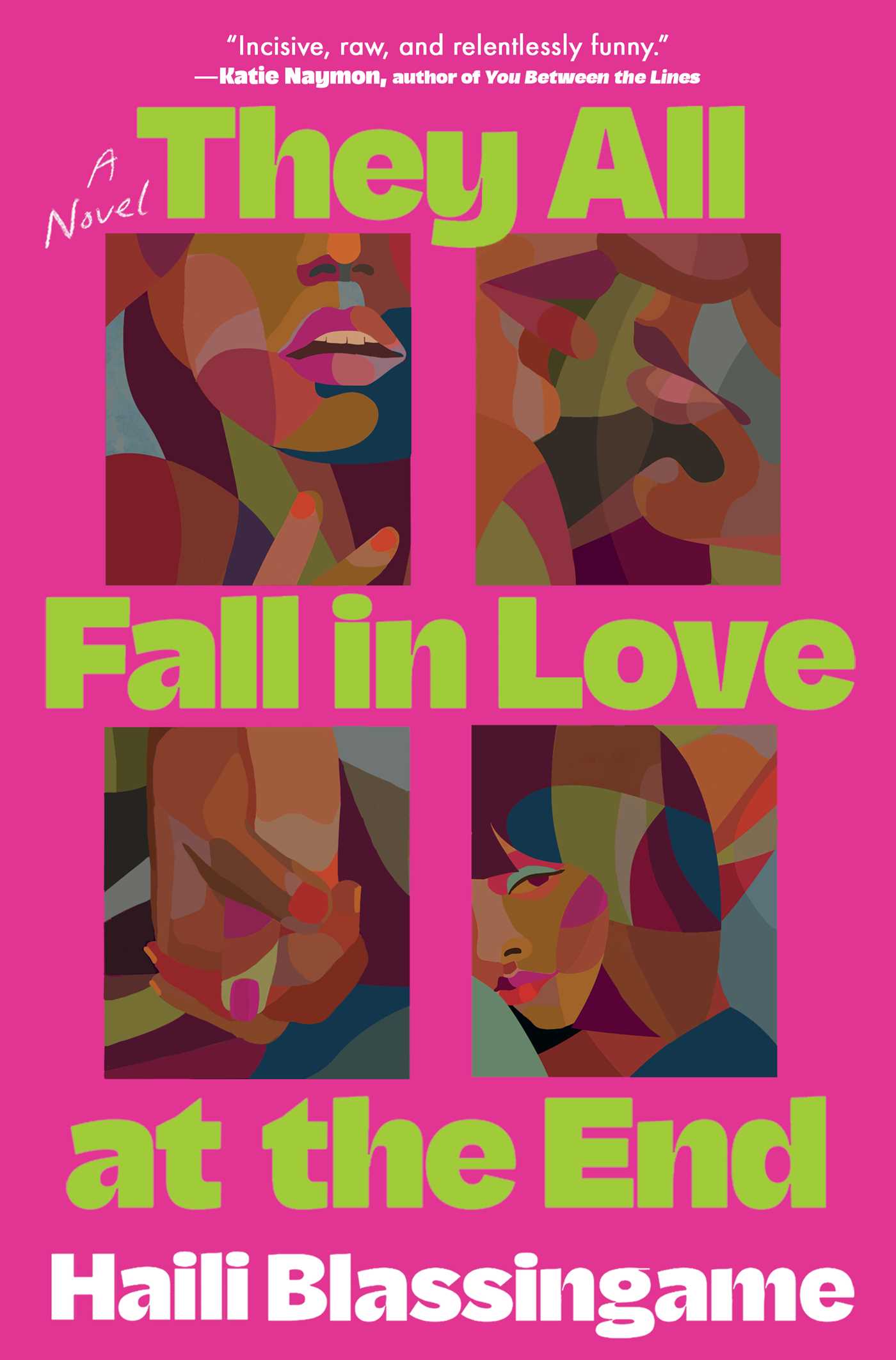
Cat St. Clair is ready for her messy love triangle era now that she’s in an open relationship. But she didn’t foresee a forbidden love triangle with the only two people who are off-limits: her boyfriend’s best friend and his girlfriend. Being a twenty-something writer who lives for plot, she falls for them anyway, with deliciously disastrous consequences, in this electric literary debut for fans of Xochitl Gonzalez, Coco Mellors, Lily King, and Raven Leilani.
It’s the fall of 2024, and twenty-four-year-old Cat isn’t asking for too much: all she wants is three boyfriends, to write her little novels, and to survive another chaotic presidential election. She’s in an open relationship with her college sweetheart Jay, but nonmonogamy isn’t just a hot trend she’s trying. It’s her sliver of freedom in a world eager to wrestle it from her for being a Black woman going after what she wants with reckless abandon.
While political tensions roil the campus where Cat is slowly earning her creative writing degree, she finds herself drawn to Jay’s best friend, Tristan, who’s smart, super hot, and…in a monogamous relationship. And then she meets Tristan’s girlfriend, Nia, a captivating art student with her own gravitational pull.
Friends and family urge her to just be happy with Jay, but Cat is determined to have it all—or blow up her life trying. As she falls for all the wrong people, racking up lies, betrayals, and terrible drafts of her novel, she tries to write her way to a happy ending. But in art, politics, and love, true liberation may take more than rewriting the old scripts. It may mean inventing something entirely new.
It’s the fall of 2024, and twenty-four-year-old Cat isn’t asking for too much: all she wants is three boyfriends, to write her little novels, and to survive another chaotic presidential election. She’s in an open relationship with her college sweetheart Jay, but nonmonogamy isn’t just a hot trend she’s trying. It’s her sliver of freedom in a world eager to wrestle it from her for being a Black woman going after what she wants with reckless abandon.
While political tensions roil the campus where Cat is slowly earning her creative writing degree, she finds herself drawn to Jay’s best friend, Tristan, who’s smart, super hot, and…in a monogamous relationship. And then she meets Tristan’s girlfriend, Nia, a captivating art student with her own gravitational pull.
Friends and family urge her to just be happy with Jay, but Cat is determined to have it all—or blow up her life trying. As she falls for all the wrong people, racking up lies, betrayals, and terrible drafts of her novel, she tries to write her way to a happy ending. But in art, politics, and love, true liberation may take more than rewriting the old scripts. It may mean inventing something entirely new.
Reading Group Guide
Get a FREE ebook by joining our mailing list today! Plus, receive recommendations for your next Book Club read.
By clicking 'Sign me up', I consent to Simon & Schuster sending me email offers and updates, including offers for a free eBook. I understand I can unsubscribe at any time. Any offer for an eBook may be subject to exclusions, terms, conditions, and registration with our fulfillment partners. We collect and use your information in accordance with our Privacy Policy. Free ebook offer available to NEW CA subscribers only. Offer redeemable at Simon & Schuster's ebook fulfillment partner. Must redeem within 90 days. See the full terms and conditions.
This reading group guide for THEY ALL FALL IN LOVE AT THE END includes an introduction, discussion questions, and ideas for enhancing your book club. The suggested questions are intended to help your reading group find new and interesting angles and topics for your discussion. We hope that these ideas will enrich your conversation and increase your enjoyment of the book.
Introduction
Cat St. Clair is a twentysomething creative writing MFA student in DC who is just trying to navigate the messiness of her twenties amongst a looming presidential election, political tensions locally and overseas, and her parents’ crumbling marriage. When she asks her long-term boyfriend to open their relationship, she hopes this will provide her with the freedom she craves. She can now date whoever she wants, except for the one off-limits person she wants most of all—her boyfriend’s best friend, Tristan . . . and his new girlfriend. Even though she knows it will end in disaster, she follows her heart and pursues them all anyway, as she grapples with what it means to be a young Black woman and a writer in today’s political climate, who is constantly faced with choices that force her to confront what and whom she truly wants.
Discussion Questions
When Tristan asks Cat and Jay how their open relationship is going, Cat responds immediately with “Great!!!” (page 8). Jay later brings up this incident again (page 130), saying she wouldn’t let him respond. Why do you think Cat responded in this way? What does it say about their relationship?
Several scenes throughout the novel are written in the format of a play (pages 95, 133, 155, and 218). Why do you think those particular scenes are written in this way? How does that format serve those scenes?
Blassingame cleverly uses a meta “story within a story” structure, as Cat writes about her own situation the novel she’s writing for class. What does this story within a story allow the author to do? Why is it useful, and how does it change our perception of the story?
What do you think is the significance of Janine’s character? How does she serve Cat’s character development?
On page 50, Tristan tells Cat that his philosophy PhD dissertation is about how agency isn’t an individual issue, that your decisions are made within a system. On page 51, Cat tells Tristan about the book she’s reading, Art Monsters, about people who put their art over everything else. Discuss these two themes within the context of the book.
What do you think the tree that Cat buys to support Anwar’s family symbolizes? Why do you think she names it after her father?
When Milken tells Cat to pursue writing the story about her parents instead of the one about the “small details of her life.” Cat responds, “But the personal is always political, right?” (page 117). What do you think—can the personal and the political be separated, or does one always inform the other?
After they argue, Tristan tells Cat, “But you’re so much more than a relationship paradigm” (page 240). Do you agree with Tristan? Are we defined by our desires and labels? Or do you think he is missing the point—that being nonmonogamous is so much more than a relationship paradigm to Cat?
Why is Dorinda’s decision to move out so significant? In what ways does it reflect Cat’s decisions?
On page 271, Cat says, “I wanted the choice of not having to choose.” How does that reflect the themes of the book? Do we ever get to have that choice in life?
After reading an essay in the Black craft anthology, Cat has a realization about her writing and writes down the word “FORM” (page 285). She later realizes that “form” is also a verb (page 357). Discuss the two realizations she is having about her writing. What do they mean? Why do you think form is an important theme in the novel?
On page 298, Cat decides to be monogamous with Jay. What do you think led her to that decision in that moment?
What do you make of the way Blassingame left the friendship between Cat and Milan?
When Nia finally reveals her portrait of Cat to her, Cat thinks it looks “dishonest” (page 284). Later, Nia reveals the new version of the portrait as Cat as a silhouette against a landscape (page 363). What do you think this new version means? With the knowledge that the scene in Nia’s gallery ten years later might just be happening in Cat’s novel, what do you think the portrait says about how Cat perceives herself?
What do you make of the final chapter? Do you agree with Janine, or did you agree with Cat’s reasoning for the original ending of her book?
Enhance Your Book Club
Read a book or watch a movie with a love triangle (or rectangle). In what ways is it similar to the love rectangle in this book? In what ways does this book subvert the classic love triangle narrative?
The lock-in towards the end of the novel is in many ways similar to the encampment at Columbia University in 2024 and at other schools arounds the country. Has the account of Cat’s experience affected your perspective of these real-life protests? Why or why not?
The rise of polyamory and “ethical nonmonogamy” has become a hot-button topic recently. Read the Modern Love article “I Was Content with Monogamy. I Shouldn’t Have Been.” Then read Haili’s Modern Love essay “My Choice Isn’t Marriage or Loneliness.” Why do you think there has been such a rise in the discussion of polyamory in recent years? How is Haili’s perspective similar to or different from the other writer’s?
Introduction
Cat St. Clair is a twentysomething creative writing MFA student in DC who is just trying to navigate the messiness of her twenties amongst a looming presidential election, political tensions locally and overseas, and her parents’ crumbling marriage. When she asks her long-term boyfriend to open their relationship, she hopes this will provide her with the freedom she craves. She can now date whoever she wants, except for the one off-limits person she wants most of all—her boyfriend’s best friend, Tristan . . . and his new girlfriend. Even though she knows it will end in disaster, she follows her heart and pursues them all anyway, as she grapples with what it means to be a young Black woman and a writer in today’s political climate, who is constantly faced with choices that force her to confront what and whom she truly wants.
Discussion Questions
When Tristan asks Cat and Jay how their open relationship is going, Cat responds immediately with “Great!!!” (page 8). Jay later brings up this incident again (page 130), saying she wouldn’t let him respond. Why do you think Cat responded in this way? What does it say about their relationship?
Several scenes throughout the novel are written in the format of a play (pages 95, 133, 155, and 218). Why do you think those particular scenes are written in this way? How does that format serve those scenes?
Blassingame cleverly uses a meta “story within a story” structure, as Cat writes about her own situation the novel she’s writing for class. What does this story within a story allow the author to do? Why is it useful, and how does it change our perception of the story?
What do you think is the significance of Janine’s character? How does she serve Cat’s character development?
On page 50, Tristan tells Cat that his philosophy PhD dissertation is about how agency isn’t an individual issue, that your decisions are made within a system. On page 51, Cat tells Tristan about the book she’s reading, Art Monsters, about people who put their art over everything else. Discuss these two themes within the context of the book.
What do you think the tree that Cat buys to support Anwar’s family symbolizes? Why do you think she names it after her father?
When Milken tells Cat to pursue writing the story about her parents instead of the one about the “small details of her life.” Cat responds, “But the personal is always political, right?” (page 117). What do you think—can the personal and the political be separated, or does one always inform the other?
After they argue, Tristan tells Cat, “But you’re so much more than a relationship paradigm” (page 240). Do you agree with Tristan? Are we defined by our desires and labels? Or do you think he is missing the point—that being nonmonogamous is so much more than a relationship paradigm to Cat?
Why is Dorinda’s decision to move out so significant? In what ways does it reflect Cat’s decisions?
On page 271, Cat says, “I wanted the choice of not having to choose.” How does that reflect the themes of the book? Do we ever get to have that choice in life?
After reading an essay in the Black craft anthology, Cat has a realization about her writing and writes down the word “FORM” (page 285). She later realizes that “form” is also a verb (page 357). Discuss the two realizations she is having about her writing. What do they mean? Why do you think form is an important theme in the novel?
On page 298, Cat decides to be monogamous with Jay. What do you think led her to that decision in that moment?
What do you make of the way Blassingame left the friendship between Cat and Milan?
When Nia finally reveals her portrait of Cat to her, Cat thinks it looks “dishonest” (page 284). Later, Nia reveals the new version of the portrait as Cat as a silhouette against a landscape (page 363). What do you think this new version means? With the knowledge that the scene in Nia’s gallery ten years later might just be happening in Cat’s novel, what do you think the portrait says about how Cat perceives herself?
What do you make of the final chapter? Do you agree with Janine, or did you agree with Cat’s reasoning for the original ending of her book?
Enhance Your Book Club
Read a book or watch a movie with a love triangle (or rectangle). In what ways is it similar to the love rectangle in this book? In what ways does this book subvert the classic love triangle narrative?
The lock-in towards the end of the novel is in many ways similar to the encampment at Columbia University in 2024 and at other schools arounds the country. Has the account of Cat’s experience affected your perspective of these real-life protests? Why or why not?
The rise of polyamory and “ethical nonmonogamy” has become a hot-button topic recently. Read the Modern Love article “I Was Content with Monogamy. I Shouldn’t Have Been.” Then read Haili’s Modern Love essay “My Choice Isn’t Marriage or Loneliness.” Why do you think there has been such a rise in the discussion of polyamory in recent years? How is Haili’s perspective similar to or different from the other writer’s?
About The Author
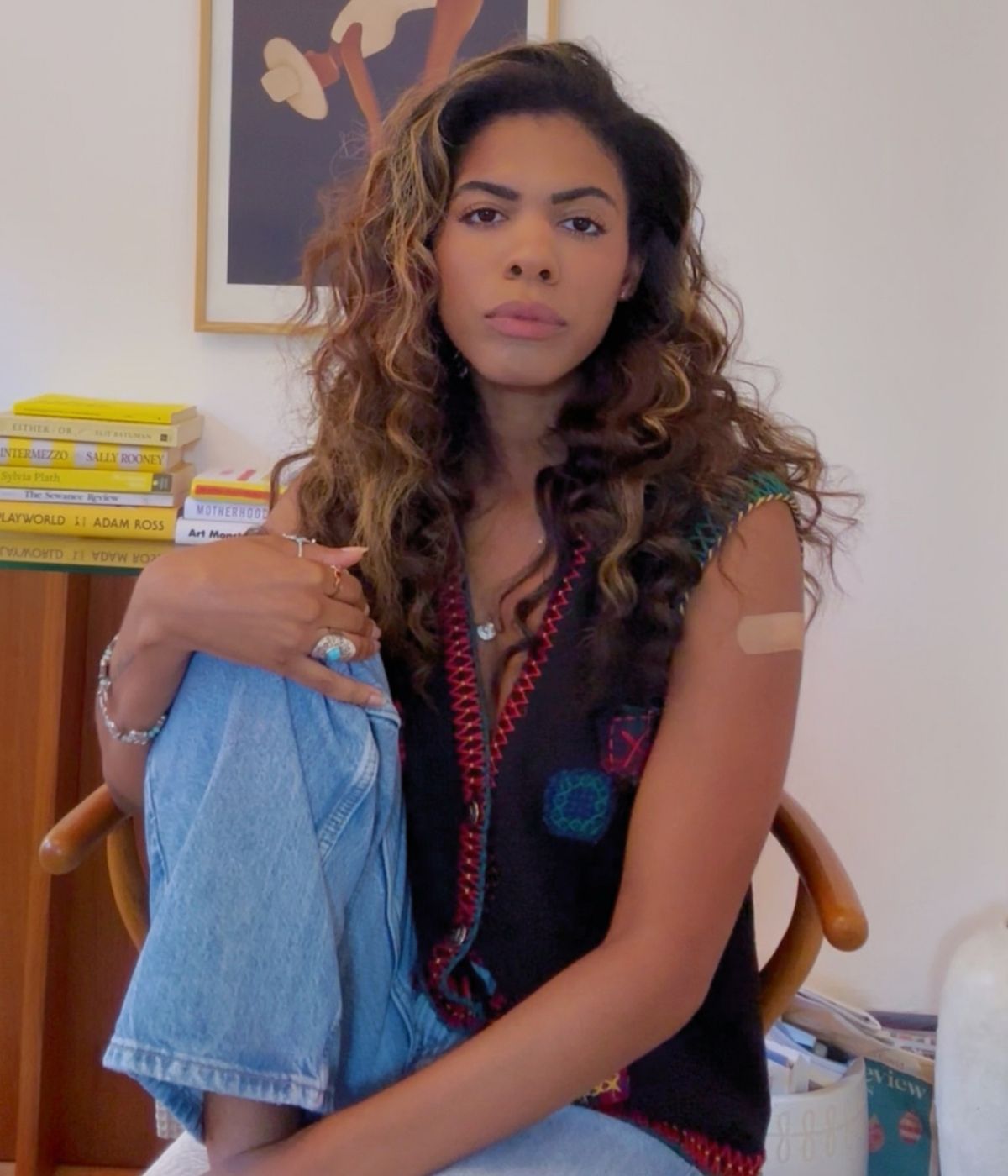
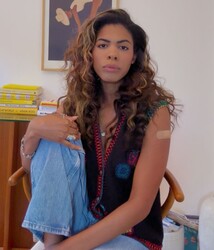
Photograph (c) Haili Blassingame
Haili Blassingame is a producer for the NPR program 1A. She has written for publications like The New Republic and The New York Times, in which she published the viral “My Choice Isn’t Marriage or Loneliness” for “Modern Love”. She was one of twelve essayists selected to write a follow-up piece for the column’s 20th anniversary in October 2024. She’s also been a guest on the Modern Love podcast, NPR’s Life Kit, and NPR’s 1A. She previously worked on NPR’s Code Switch and Weekend Edition. She is pursuing an MFA in creative writing from American University. She lives in Washington, DC.
Product Details
- Publisher: Scribner (June 2, 2026)
- Length: 384 pages
- ISBN13: 9781668204146
Browse Related Books
Raves and Reviews
“This is relationships plus mess… the perfect book for summer.” -- MJ Franklin, New York Times
"Blassingame’s novel is pure joy. She brings the hijinks of a messy triangle that we all know and love to life, and twists expectations to hilarious results. So often, funny doesn’t land on the page. Blassingame understands comedy." --Debutiful
“Romantic chaos reigns in Blassingame’s snappy debut novel. Cat is a D.C.-based M.F.A. student who is in an open relationship with her boyfriend, Jay. Jay’s best friend, Tristan, hates Cat, but neither Tristan nor Cat can deny the spark between them. That’s made more complicated because Tristan already has a girlfriend … whom Cat also feels a connection with. Did we mention chaos?” -- The New York Times
“The slow-burn love square in They All Fall in Love at the End crackles into a roaring, uncontrollable fire as four characters face the question of how to thrive in the bleak landscape of contemporary dating… an achievement.” -- BookPage
“This is a firecracker of a novel—funny, smart, sexy, and alive with a narrator you can’t help but fall for. I loved it.” – Antonia Angress, author of Sirens & Muses
"You know how people sometimes say Sally Rooney is writing what will be the first millennial classics? I think Haili Blassingame wrote a Gen Z/millennial cusp classic. I haven’t been this excited by a book in ages. Incisive, raw, and relentlessly funny, Blassingame’s superb debut cements her as an electric voice to watch and a sharp portraitist of Gen Z desire. They All Fall in Love in the End thrums with tactile, evocative prose, sexual tension, and smart social commentary. I laughed out loud so many times—I absolutely loved it.” -- Katie Naymon, author of You Between the Lines
“As a satirist and fresh American voice, Blassingame is a talent to watch.”
– Dawnie Walton, author of The Final Revival of Opal and Nev
Resources and Downloads
High Resolution Images
-
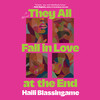
Book Cover Image (jpg): They All Fall in Love at the End
eBook 9781668204146
-
Author Photo (jpg): Haili Blassingame Photograph (c) Haili Blassingame(0.1 MB)
Any use of an author photo must include its respective photo credit