Plus, receive recommendations and exclusive offers on all of your favorite books and authors from Simon & Schuster.
Published by Quirk Books
Distributed by Simon & Schuster
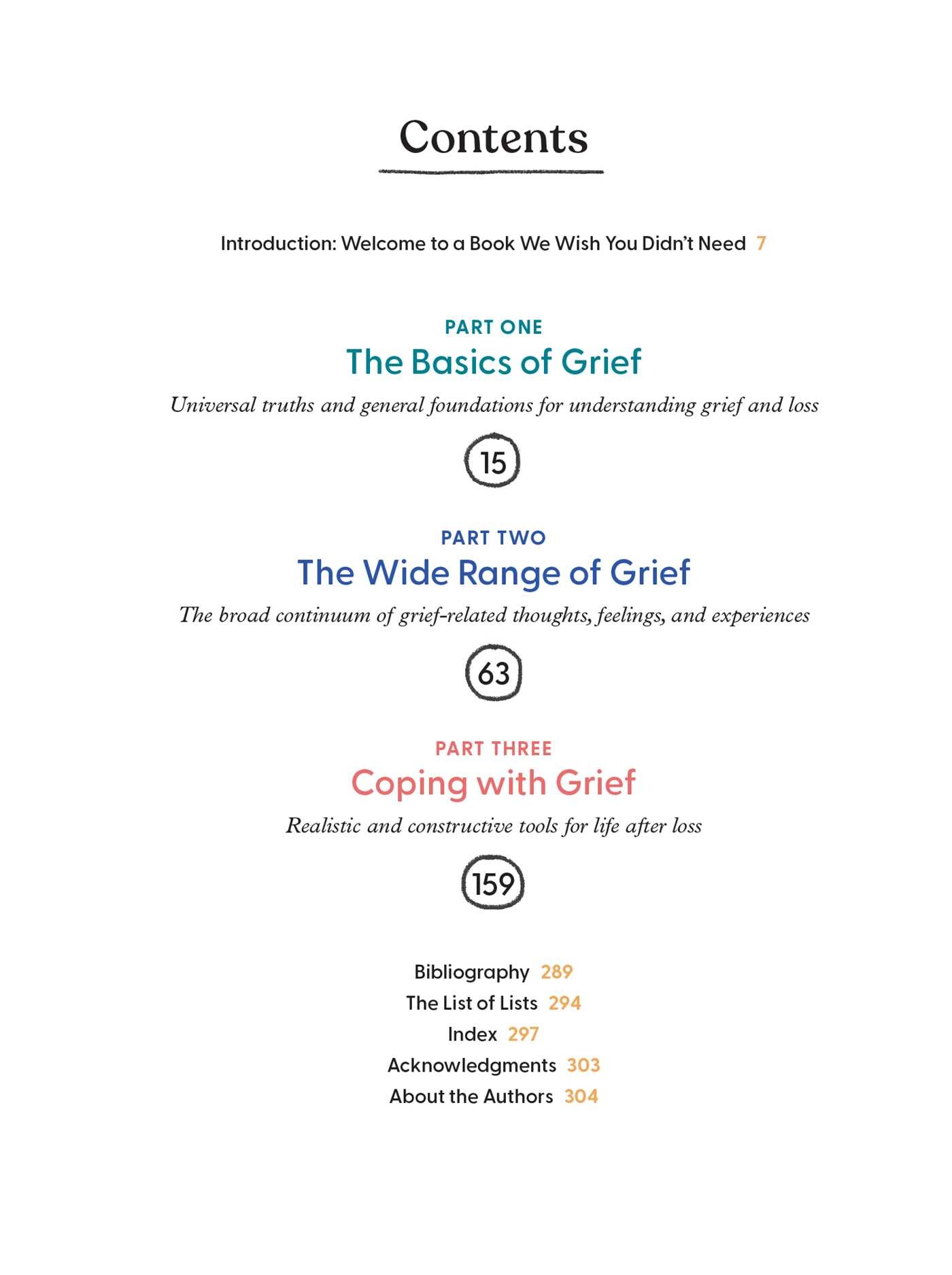
Table of Contents
About The Book
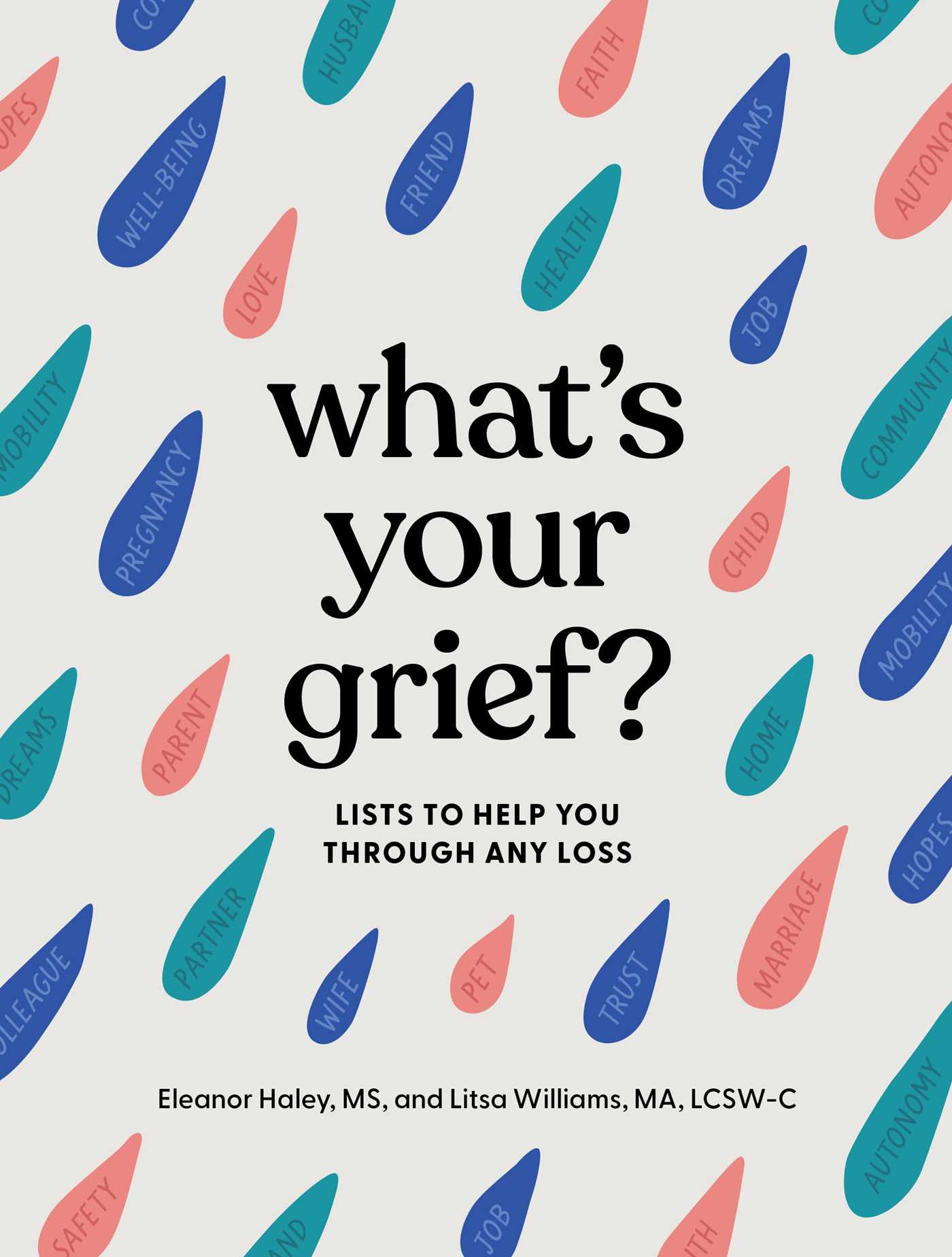
A friendly and accessible book of 75 lists that will help anyone experiencing a change or loss—for readers of Maggie Smith, Cheryl Strayed, and Katherine May—from the creators of the popular What's Your Grief website and community.
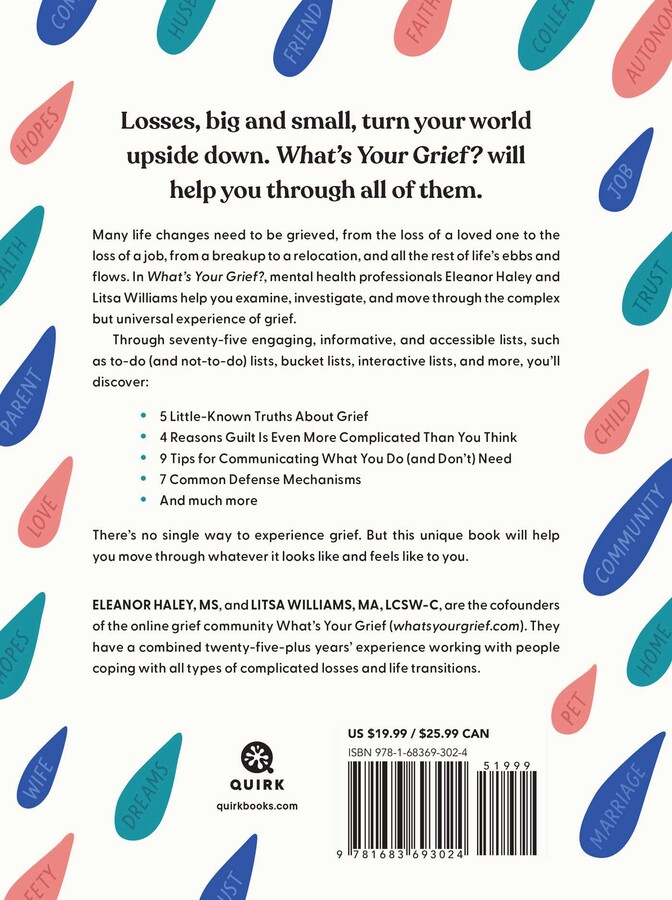
This collection of informative and relatable lists breaks complex grief concepts into clear, supportive guidance for those dealing with all forms of grief, from the loss of a loved one to the loss of a job, from a breakup to a relocation, and all the rest of life’s ebbs and flows.
Using to-do lists, interactive prompts, reflective exercises, and practical coping strategies, the authors provide reassurance and realistic support without judgment or toxic positivity. These compassionate tools to help you better understand the many ways grief can affect your thoughts, emotions, relationships, and daily life.
There’s no single way to experience grief, but this unique book will help you move through whatever it looks like and feels like to you.
This collection of informative and relatable lists breaks complex grief concepts into clear, supportive guidance for those dealing with all forms of grief, from the loss of a loved one to the loss of a job, from a breakup to a relocation, and all the rest of life’s ebbs and flows.
Using to-do lists, interactive prompts, reflective exercises, and practical coping strategies, the authors provide reassurance and realistic support without judgment or toxic positivity. These compassionate tools to help you better understand the many ways grief can affect your thoughts, emotions, relationships, and daily life.
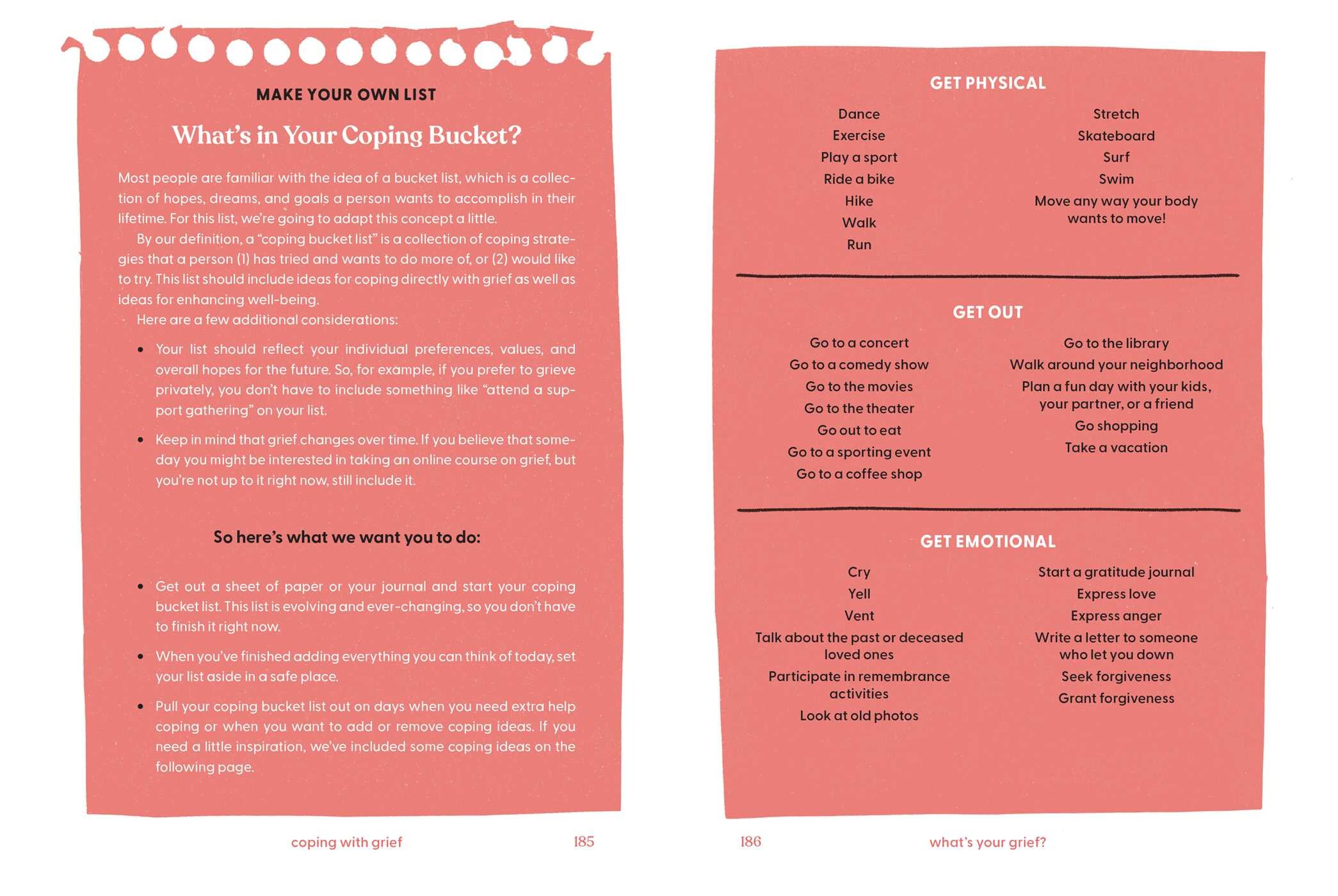
- List-based guidance that feels structured and manageable during overwhelming life changes
- 75 engaging, informative, and accessible lists, such as to-do (and not-to-do), bucket lists, and interactive lists
- Practical and supportive resource for grieving individuals, caregivers, and therapists
There’s no single way to experience grief, but this unique book will help you move through whatever it looks like and feels like to you.
Excerpt
Introduction
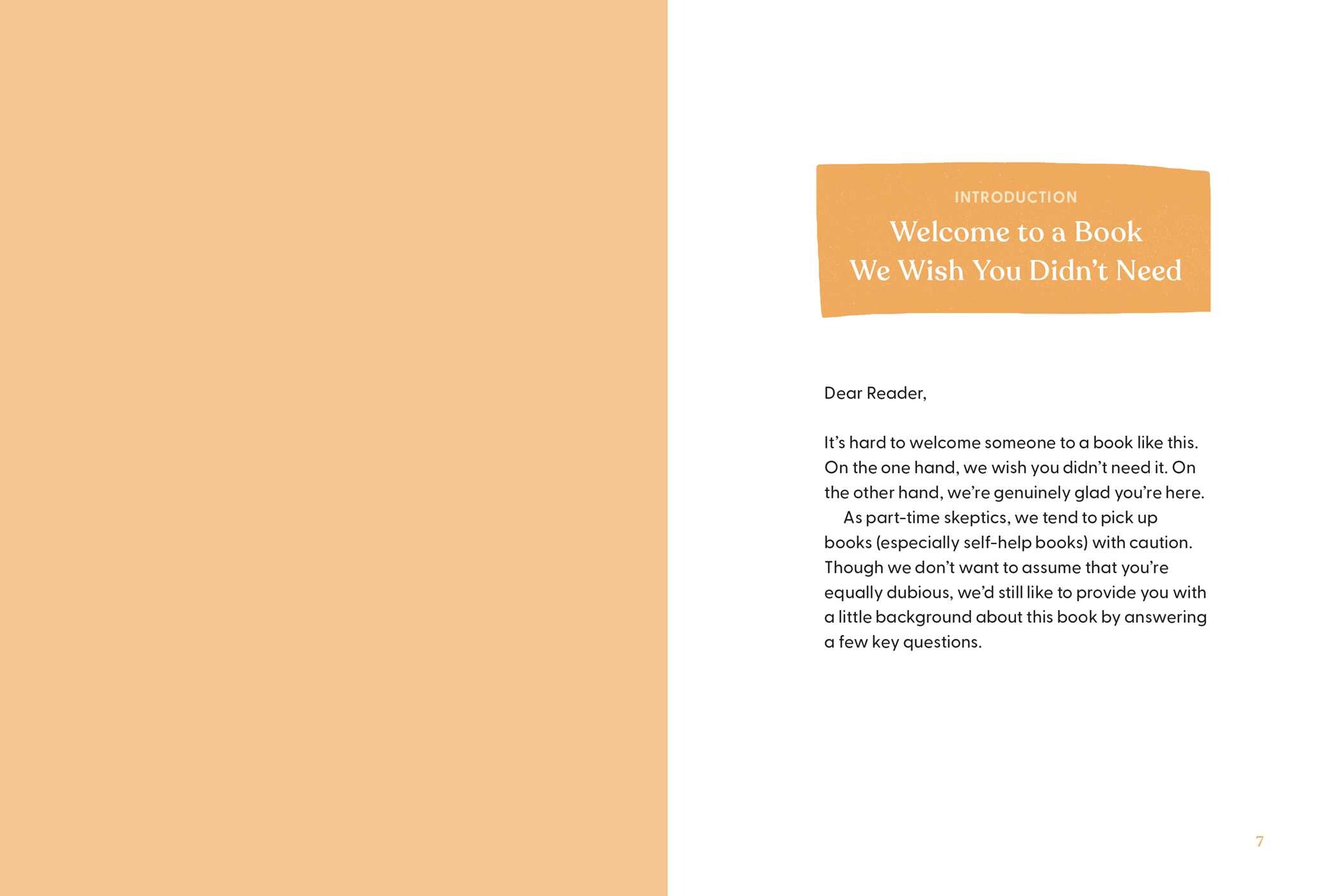
Welcome to a Book We Wish You Didn’t Need
Dear Reader,
It’s hard to welcome someone to a book like this. On the one hand, we wish you didn’t need it. On the other hand, we’re genuinely glad you’re here.
As part-time skeptics, we tend to pick up books (especially self-help books) with caution. Though we don’t want to assume that you’re equally dubious, we’d still like to provide you with a little background about this book by answering a few key questions.
Why did we write this book?
As mental health professionals working in the field of grief and loss—and as people who’ve experienced grief ourselves—we’ve always seen it as our job to help people understand the vast range of emotions and experiences considered “normal” after loss. That’s why we founded the online grief community What’s Your Grief in late 2012. Since then, we’ve written hundreds of articles about grief and loss that are read by millions of grieving people and grief-support professionals each year.
We began writing this book in 2020. (And if you don’t remember what happened in 2020, this book’s life in print is far longer than we ever imagined.) That was a year of major change—of cancellations, quarantines, remote work, loss, loneliness, sickness, and death. It was a year in which everyone’s eyes were open to the various shapes grief can take because everyone was experiencing loss on some scale. Still, many people also second- guessed their feelings and wondered, “Is it selfish to grieve things that seem minor when so many people are sick and dying?” Our simple answer to this question is no. Here’s why:
Though some losses may seem smaller than others, your losses are valid and worthy of recognition, no matter the size.
There’s no threshold one has to meet to feel grief-like things.
One person’s grief doesn’t take away from another’s.
Regardless of the type of loss you’ve experienced, only you know the extent of your pain and struggle. Your grief is a distinct and subjective experience influenced by many factors. Here are just a few:
Grief is a reflection of you and your relationship with who or what has been lost.
Loss often sets off a domino effect of subsequent losses. So you’re likely grieving a web of interconnected losses.
We all experience hardship, stress, and emotion differently. There is no one right way to grieve, there isn’t a standard timeline, and there are many (many, many) ways to cope.
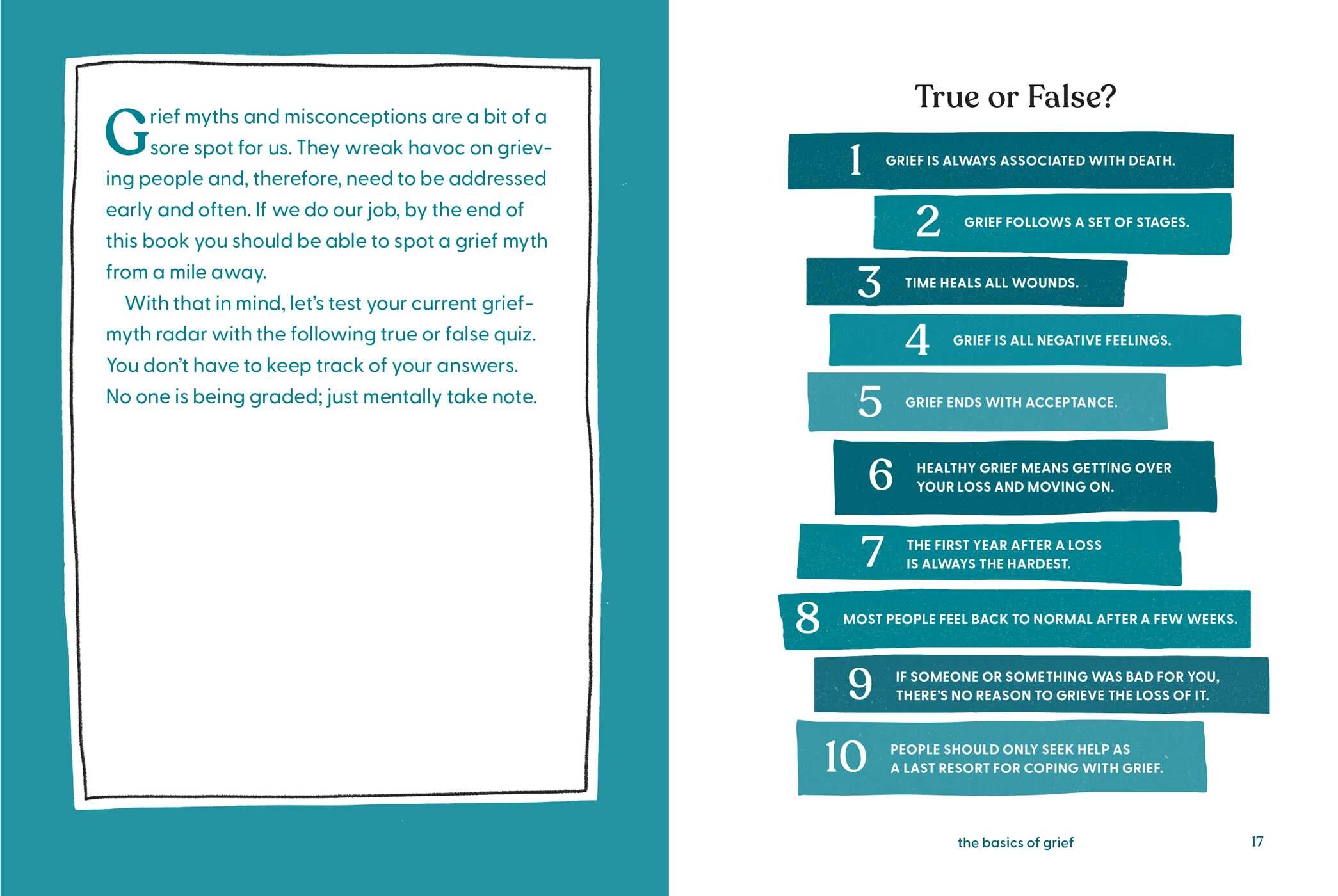
Thanks to myths and misconceptions about grief, people often assume it’s formulaic. They think X type of loss will cause Y amounts of pain. Or they believe they’ll simply go through grief ’s stages and come out on the other side. But grief isn’t predictable or uniform; instead, it’s highly variable and individual.
The individuality of grief makes it hard to understand, and people often feel thrown when their experience doesn’t align with their expectation. It’s common to wonder, “Is this normal, or am I losing it?” But most of the time, the answer to this question is, “Yes, you are normal.” As the Holocaust survivor and psychiatrist Viktor Frankl wisely wrote in his 1946 book Man’s Search for Meaning, “An abnormal reaction to an abnormal situation is normal behavior.”
We can’t save anyone from the messiness of grief, but hopefully we can help make it more manageable.
And in many ways, managing (rather than overcoming) grief is the goal. Or, if you prefer a different goal, you can choose tolerating it, integrating it, living with it, understanding it, maybe even growing from it if you’re feeling ambitious. We know these goals lack a sense of closure compared to overcoming grief, but the truth is that this process is ongoing and most people don’t just “get over it.” This idea may be scary—but you will be okay, we promise.
Because as your relationship with grief evolves, you will likely also find hope and healing by changing how you respond to, cope with, and conceptualize grief. That’s what we hope this book will help you do.
Welcome to a Book We Wish You Didn’t Need
Dear Reader,
It’s hard to welcome someone to a book like this. On the one hand, we wish you didn’t need it. On the other hand, we’re genuinely glad you’re here.
As part-time skeptics, we tend to pick up books (especially self-help books) with caution. Though we don’t want to assume that you’re equally dubious, we’d still like to provide you with a little background about this book by answering a few key questions.
Why did we write this book?
As mental health professionals working in the field of grief and loss—and as people who’ve experienced grief ourselves—we’ve always seen it as our job to help people understand the vast range of emotions and experiences considered “normal” after loss. That’s why we founded the online grief community What’s Your Grief in late 2012. Since then, we’ve written hundreds of articles about grief and loss that are read by millions of grieving people and grief-support professionals each year.
We began writing this book in 2020. (And if you don’t remember what happened in 2020, this book’s life in print is far longer than we ever imagined.) That was a year of major change—of cancellations, quarantines, remote work, loss, loneliness, sickness, and death. It was a year in which everyone’s eyes were open to the various shapes grief can take because everyone was experiencing loss on some scale. Still, many people also second- guessed their feelings and wondered, “Is it selfish to grieve things that seem minor when so many people are sick and dying?” Our simple answer to this question is no. Here’s why:
Though some losses may seem smaller than others, your losses are valid and worthy of recognition, no matter the size.
There’s no threshold one has to meet to feel grief-like things.
One person’s grief doesn’t take away from another’s.
Regardless of the type of loss you’ve experienced, only you know the extent of your pain and struggle. Your grief is a distinct and subjective experience influenced by many factors. Here are just a few:
Grief is a reflection of you and your relationship with who or what has been lost.
Loss often sets off a domino effect of subsequent losses. So you’re likely grieving a web of interconnected losses.
We all experience hardship, stress, and emotion differently. There is no one right way to grieve, there isn’t a standard timeline, and there are many (many, many) ways to cope.
Thanks to myths and misconceptions about grief, people often assume it’s formulaic. They think X type of loss will cause Y amounts of pain. Or they believe they’ll simply go through grief ’s stages and come out on the other side. But grief isn’t predictable or uniform; instead, it’s highly variable and individual.
The individuality of grief makes it hard to understand, and people often feel thrown when their experience doesn’t align with their expectation. It’s common to wonder, “Is this normal, or am I losing it?” But most of the time, the answer to this question is, “Yes, you are normal.” As the Holocaust survivor and psychiatrist Viktor Frankl wisely wrote in his 1946 book Man’s Search for Meaning, “An abnormal reaction to an abnormal situation is normal behavior.”
We can’t save anyone from the messiness of grief, but hopefully we can help make it more manageable.
And in many ways, managing (rather than overcoming) grief is the goal. Or, if you prefer a different goal, you can choose tolerating it, integrating it, living with it, understanding it, maybe even growing from it if you’re feeling ambitious. We know these goals lack a sense of closure compared to overcoming grief, but the truth is that this process is ongoing and most people don’t just “get over it.” This idea may be scary—but you will be okay, we promise.
Because as your relationship with grief evolves, you will likely also find hope and healing by changing how you respond to, cope with, and conceptualize grief. That’s what we hope this book will help you do.
Product Details
- Publisher: Quirk Books (September 27, 2022)
- Length: 304 pages
- ISBN13: 9781683693024
Browse Related Books
Raves and Reviews
“Multifaceted advice for handling grief.”—Wisconsin Public Radio
“What’s your Grief? doesn’t just tackle grieving over death. It tackles grief, period. . . . For anyone who needs this kind of book, What’s Your Grief? is a win.”—Nationally syndicated columnist, Terri Schlichenmeyer
Resources and Downloads
High Resolution Images
-
Book Cover Image (jpg): What's Your Grief?
Hardcover 9781683693024