
Plus, receive recommendations and exclusive offers on all of your favorite books and authors from Simon & Schuster.
0:00 /
Table of Contents
About The Book
INSTANT NEW YORK TIMES BESTSELLER
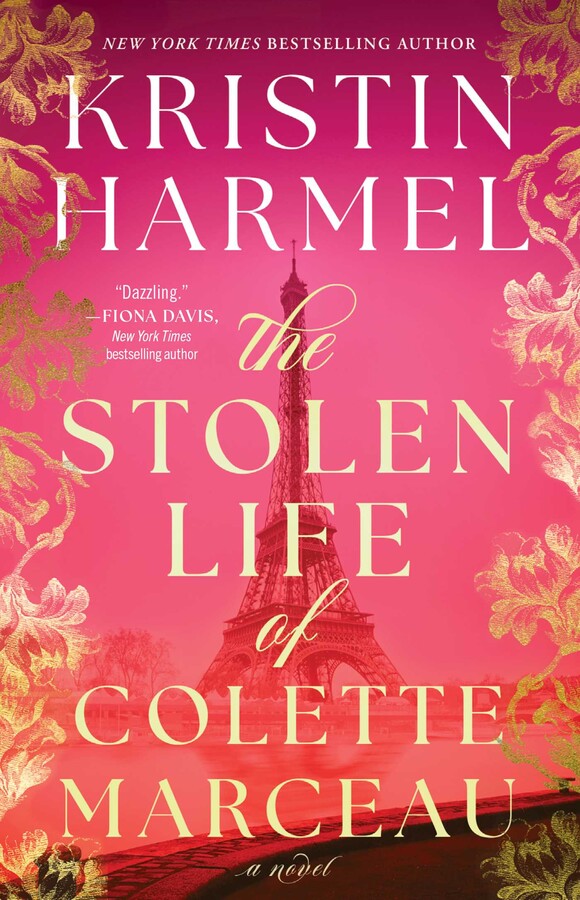
Kristin Harmel, the New York Times bestselling author who “is the best there is at sweeping historical drama” (Kelly Harms, author of The Seven Day Switch), returns with an electrifying new novel about two jewel thieves, a priceless bracelet that disappears in 1940s Paris, and a quest for answers in a decades-old murder.
Colette Marceau has been stealing jewels for nearly as long as she can remember, following the centuries-old code of honor instilled in her by her mother, Annabel: take only from the cruel and unkind, and give to those in need. Never was their family tradition more important than seven decades earlier, during the Second World War, when Annabel and Colette worked side by side in Paris to fund the French Resistance.
But one night in 1942, it all went wrong. Annabel was arrested by the Germans, and Colette’s four-year-old sister, Liliane, disappeared in the chaos of the raid, along with an exquisite diamond bracelet sewn into the hem of her nightgown for safekeeping. Soon after, Annabel was executed, and Liliane’s body was found floating in the Seine—but the bracelet was nowhere to be found.
Seventy years later, Colette—who has “redistributed” $30 million in jewels over the decades to fund many worthy organizations—has done her best to put her tragic past behind her, but her life begins to unravel when the long-missing bracelet suddenly turns up in a museum exhibit in Boston. If Colette can discover where it has been all this time—and who owns it now—she may finally learn the truth about what happened to her sister. But she isn’t the only one for whom the bracelet holds answers, and when someone from her childhood lays claim to the diamonds, she’s forced to confront the ghosts of her past as never before. Against all odds, there may still be a chance to bring a murderer to justice—but first, Colette will have to summon the courage to open her own battered heart.
Kristin Harmel, the New York Times bestselling author who “is the best there is at sweeping historical drama” (Kelly Harms, author of The Seven Day Switch), returns with an electrifying new novel about two jewel thieves, a priceless bracelet that disappears in 1940s Paris, and a quest for answers in a decades-old murder.
Colette Marceau has been stealing jewels for nearly as long as she can remember, following the centuries-old code of honor instilled in her by her mother, Annabel: take only from the cruel and unkind, and give to those in need. Never was their family tradition more important than seven decades earlier, during the Second World War, when Annabel and Colette worked side by side in Paris to fund the French Resistance.
But one night in 1942, it all went wrong. Annabel was arrested by the Germans, and Colette’s four-year-old sister, Liliane, disappeared in the chaos of the raid, along with an exquisite diamond bracelet sewn into the hem of her nightgown for safekeeping. Soon after, Annabel was executed, and Liliane’s body was found floating in the Seine—but the bracelet was nowhere to be found.
Seventy years later, Colette—who has “redistributed” $30 million in jewels over the decades to fund many worthy organizations—has done her best to put her tragic past behind her, but her life begins to unravel when the long-missing bracelet suddenly turns up in a museum exhibit in Boston. If Colette can discover where it has been all this time—and who owns it now—she may finally learn the truth about what happened to her sister. But she isn’t the only one for whom the bracelet holds answers, and when someone from her childhood lays claim to the diamonds, she’s forced to confront the ghosts of her past as never before. Against all odds, there may still be a chance to bring a murderer to justice—but first, Colette will have to summon the courage to open her own battered heart.
Reading Group Guide
Get a FREE ebook by joining our mailing list today! Plus, receive recommendations for your next Book Club read.
By clicking 'Sign me up', I consent to Simon & Schuster sending me email offers and updates, including offers for a free eBook. I understand I can unsubscribe at any time. Any offer for an eBook may be subject to exclusions, terms, conditions, and registration with our fulfillment partners. We collect and use your information in accordance with our Privacy Policy. Free ebook offer available to NEW CA subscribers only. Offer redeemable at Simon & Schuster's ebook fulfillment partner. Must redeem within 90 days. See the full terms and conditions.
Introduction
Colette Marceau has been stealing jewels for nearly as long as she can remember, following the centuries-old code of honor instilled in her by her mother, Annabel: take only from the cruel and unkind, and give to those in need. Never was their family tradition more important than seven decades earlier, during the Second World War, when Annabel and Colette worked side by side in Paris to fund the French Resistance.
But one night in 1942, it all went wrong. Annabel was arrested by the Germans, and Colette’s four-year-old sister, Liliane, disappeared in the chaos of the raid, along with an exquisite diamond bracelet sewn into the hem of her nightgown for safekeeping. Soon after, Annabel was executed, and Liliane’s body was found floating in the Seine—but the bracelet was nowhere to be found.
Seventy years later, Colette—who has “redistributed” $30 million in jewels over the decades to fund many worthy organizations—has done her best to put her tragic past behind her, but her life begins to unravel when the long-missing bracelet suddenly turns up in a museum exhibit in Boston. If Colette can discover where it has been all this time—and who owns it now—she may finally learn the truth about what happened to her sister. But she isn’t the only one for whom the bracelet holds answers, and when someone from her childhood lays claim to the diamonds, she’s forced to confront the ghosts of her past as never before. Against all odds, there may still be a chance to bring a murderer to justice—but first, Colette will have to summon the courage to open her own battered heart.
Discussion Questions
1. Chapter One opens with our main character, Colette—now in her eighties—preparing to steal from a neo-Nazi at an upscale benefit in Boston. We’re in Colette’s perspective, so we can see her justifications for the theft. Did you agree that Colette’s actions were justified? Or did you start off with the feeling that she was a criminal, regardless of her motives?
2. In Chapter Two, we meet Colette’s mother Annabel, and we get a bit more insight into why stealing is their family tradition; they believe themselves to be descended from Robin Hood himself. Are there any traditions in your own family—or things related to your heritage—that have shaped decisions in your life?
3. Do you believe that being the keeper of a family tradition comes with an obligation to keep that tradition alive? Or do you have the right to chart your own course and leave the past behind?
4. In Chapter Three, we meet Marty, Colette’s longtime jewel broker and her dearest friend. Colette strongly believes that her jewel thefts are justified—and in fact, she never keeps the profits for herself. But Marty does keep his percentage of the sales. At the same time, though, he’s not actually the one doing the stealing. Where do you think Marty falls on the spectrum of right and wrong, especially compared with Colette?
5. Aviva and Colette are essentially family to each other, though they’re not related by blood. Do you have someone in your life who you consider family, but who you’re not actually related to? If you do, why is this an important relationship to you, and why do you think it’s so important for Aviva and Colette?
6. Colette is a young teenager when she meets Tristan in 1942, and we’re with her as she begins to fall in love for the first time. Do you remember your first love? Is there anything about your relationship with that person that influenced your future?
7. The Vel’ d’Hiv Roundup of July 16, 1942, has been included in many novels, because it was such a momentous turning point in Paris; more than 13,000 Jewish citizens were arrested, including 4,000 children, and many were sent to their deaths. How would you have felt if you were living in Paris in 1942 and woke up to the news of these mass arrests? What would you have done?
8. When Colette, Aviva, and Marty visit the 102-year-old Hubert Verdier, who has dementia, at his assisted living facility in Chapter Fifteen, do you think they had the right to push him hard for answers, since they know he had the stolen bracelet in his possession? Or should they have gone easier on him, as Lucas insists?
9. Throughout the chapters set in the past, we see a growing distance between Annabel and her husband, Roger, who disagree sharply about whether she should continue to steal now that there’s a war happening. Can you think of a time in your life when a tense situation pushed you apart from someone you loved? Were you able to resolve things, or did the situation create a permanent divide between the two of you?
10. In Chapter Nineteen, Colette meets Daniel Rosman, who she realizes is the true owner of the bracelets. And yet Colette has held on to her half of the bracelet for decades, because it was the last tangible link she had to her mother and sister. Do you think she’s obligated to give it back to him? Why or why not?
11. Daniel tells Colette that his father always said that diamonds never really belong to anyone. “They’ll witness births and deaths, war and peace, feast and famine, and yet they’ll live on, for millions of years,” he says. Is there a piece of jewelry—or another object—in your own family that has been passed down through the generations? How do you think that having something special that once belonged to someone else links you to that person?
12. In Chapter Twenty-Two, the prisoners in Cherche-Midi sing “La Marseillaise,” the French national anthem—and each night at 7 o’clock, they chant, “Notre France vivra,” or “Our France will live.” These are both drawn from real accounts of life in the prison. Many of these prisoners were waiting to be executed and would never set foot outside the prison again. Why do you think these little forms of resistance mattered so much to them?
13. By the end of the book, we’ve gotten an overview of Colette’s lifetime of theft, spanning from pre-war Paris to 2018 Boston. And we also have a sense of why she has always felt that stealing was necessary. Now that you’ve finished the book, how do you feel about her actions? Is it okay to do something illegal if you’re balancing the scales of justice and if you don’t profit personally from the illegal activity? Are the rules for something like this different in wartime than they are in times of peace? In other words, in the end, do you think that the ends justified the means for Colette?
Colette Marceau has been stealing jewels for nearly as long as she can remember, following the centuries-old code of honor instilled in her by her mother, Annabel: take only from the cruel and unkind, and give to those in need. Never was their family tradition more important than seven decades earlier, during the Second World War, when Annabel and Colette worked side by side in Paris to fund the French Resistance.
But one night in 1942, it all went wrong. Annabel was arrested by the Germans, and Colette’s four-year-old sister, Liliane, disappeared in the chaos of the raid, along with an exquisite diamond bracelet sewn into the hem of her nightgown for safekeeping. Soon after, Annabel was executed, and Liliane’s body was found floating in the Seine—but the bracelet was nowhere to be found.
Seventy years later, Colette—who has “redistributed” $30 million in jewels over the decades to fund many worthy organizations—has done her best to put her tragic past behind her, but her life begins to unravel when the long-missing bracelet suddenly turns up in a museum exhibit in Boston. If Colette can discover where it has been all this time—and who owns it now—she may finally learn the truth about what happened to her sister. But she isn’t the only one for whom the bracelet holds answers, and when someone from her childhood lays claim to the diamonds, she’s forced to confront the ghosts of her past as never before. Against all odds, there may still be a chance to bring a murderer to justice—but first, Colette will have to summon the courage to open her own battered heart.
Discussion Questions
1. Chapter One opens with our main character, Colette—now in her eighties—preparing to steal from a neo-Nazi at an upscale benefit in Boston. We’re in Colette’s perspective, so we can see her justifications for the theft. Did you agree that Colette’s actions were justified? Or did you start off with the feeling that she was a criminal, regardless of her motives?
2. In Chapter Two, we meet Colette’s mother Annabel, and we get a bit more insight into why stealing is their family tradition; they believe themselves to be descended from Robin Hood himself. Are there any traditions in your own family—or things related to your heritage—that have shaped decisions in your life?
3. Do you believe that being the keeper of a family tradition comes with an obligation to keep that tradition alive? Or do you have the right to chart your own course and leave the past behind?
4. In Chapter Three, we meet Marty, Colette’s longtime jewel broker and her dearest friend. Colette strongly believes that her jewel thefts are justified—and in fact, she never keeps the profits for herself. But Marty does keep his percentage of the sales. At the same time, though, he’s not actually the one doing the stealing. Where do you think Marty falls on the spectrum of right and wrong, especially compared with Colette?
5. Aviva and Colette are essentially family to each other, though they’re not related by blood. Do you have someone in your life who you consider family, but who you’re not actually related to? If you do, why is this an important relationship to you, and why do you think it’s so important for Aviva and Colette?
6. Colette is a young teenager when she meets Tristan in 1942, and we’re with her as she begins to fall in love for the first time. Do you remember your first love? Is there anything about your relationship with that person that influenced your future?
7. The Vel’ d’Hiv Roundup of July 16, 1942, has been included in many novels, because it was such a momentous turning point in Paris; more than 13,000 Jewish citizens were arrested, including 4,000 children, and many were sent to their deaths. How would you have felt if you were living in Paris in 1942 and woke up to the news of these mass arrests? What would you have done?
8. When Colette, Aviva, and Marty visit the 102-year-old Hubert Verdier, who has dementia, at his assisted living facility in Chapter Fifteen, do you think they had the right to push him hard for answers, since they know he had the stolen bracelet in his possession? Or should they have gone easier on him, as Lucas insists?
9. Throughout the chapters set in the past, we see a growing distance between Annabel and her husband, Roger, who disagree sharply about whether she should continue to steal now that there’s a war happening. Can you think of a time in your life when a tense situation pushed you apart from someone you loved? Were you able to resolve things, or did the situation create a permanent divide between the two of you?
10. In Chapter Nineteen, Colette meets Daniel Rosman, who she realizes is the true owner of the bracelets. And yet Colette has held on to her half of the bracelet for decades, because it was the last tangible link she had to her mother and sister. Do you think she’s obligated to give it back to him? Why or why not?
11. Daniel tells Colette that his father always said that diamonds never really belong to anyone. “They’ll witness births and deaths, war and peace, feast and famine, and yet they’ll live on, for millions of years,” he says. Is there a piece of jewelry—or another object—in your own family that has been passed down through the generations? How do you think that having something special that once belonged to someone else links you to that person?
12. In Chapter Twenty-Two, the prisoners in Cherche-Midi sing “La Marseillaise,” the French national anthem—and each night at 7 o’clock, they chant, “Notre France vivra,” or “Our France will live.” These are both drawn from real accounts of life in the prison. Many of these prisoners were waiting to be executed and would never set foot outside the prison again. Why do you think these little forms of resistance mattered so much to them?
13. By the end of the book, we’ve gotten an overview of Colette’s lifetime of theft, spanning from pre-war Paris to 2018 Boston. And we also have a sense of why she has always felt that stealing was necessary. Now that you’ve finished the book, how do you feel about her actions? Is it okay to do something illegal if you’re balancing the scales of justice and if you don’t profit personally from the illegal activity? Are the rules for something like this different in wartime than they are in times of peace? In other words, in the end, do you think that the ends justified the means for Colette?
About The Author
The Paris Photographer
Kristin Harmel is the New York Times bestselling author of more than a dozen novels, including The Stolen Life of Colette Marceau, The Paris Daughter, The Forest of Vanishing Stars, and The Book of Lost Names. She is published in more than thirty languages and is the cofounder and cohost of the popular web series, Friends & Fiction. She lives with her husband and son in Orlando, Florida.
Product Details
- Publisher: Gallery Books (June 17, 2025)
- Length: 384 pages
- ISBN13: 9781982191757
Browse Related Books
Raves and Reviews
“A dazzling diamond of a novel…. Kristin Harmel has a rare ability to touch the heart.”
– —Hazel Gaynor, New York Times bestselling author of Before Dorothy
“Colette’s feisty spirit—both as a young girl and later as an older woman reassessing her life and her choices—makes this story joyous and ultimately triumphant. I loved it.”
– —Fiona Davis, New York Times bestselling author of The Stolen Queen
"A fabulous tale of heartbreak and bravery and just how hard one will fight for those they love. … Kristin Harmel has done it again."
– —Madeline Martin, New York Times bestselling author of The Booklover's Library
“A rousing historical heist novel, but at its core, it’s about family, unfaltering love, tragic loss, and the choices—good and bad—that become our legacy.”
– —Sarah McCoy, New York Times bestselling author of Whatever Happened To Lori Lovely
“This stunning and fastidiously researched story examines the complexity of morality, and the power that ordinary people have to enact change in the world around them. I never wanted to reach the end."
– —Colleen Oakley, USA Today bestselling author of Jane and Dan at the End of the World
Resources and Downloads
High Resolution Images
-
Book Cover Image (jpg): The Stolen Life of Colette Marceau
eBook 9781982191757
-
Author Photo (jpg): Kristin Harmel The Paris Photographer(0.1 MB)
Any use of an author photo must include its respective photo credit